


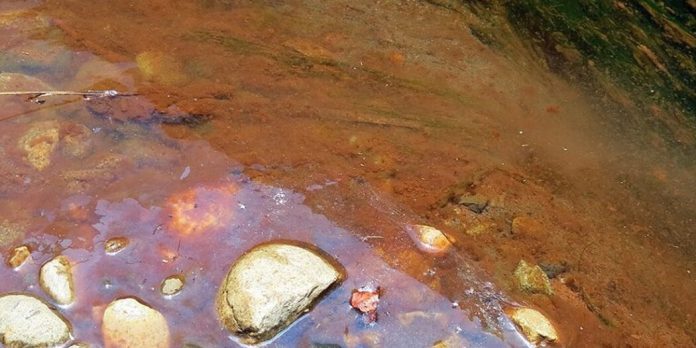
Residents affected by a large-scale toxic spill at a Zambian mine in February have demanded $420 million in compensation from the Chinese state-owned company that operates the site. The claims follow reports that the disaster may be one of the worst of its kind globally.
Two separate legal firms representing local communities have sent letters of demand to Sino Metals Leach Zambia Ltd. in recent days, according to documents and confirmations from the firms involved. The incident, which highlights the risks in meeting the surging global demand for critical minerals, has drawn attention from both US and Chinese governments.
One demand letter, from Malisa & Partners Legal Practitioners, seeks an immediate payment of $220 million. This interim compensation is intended to cover the relocation of 47 households from the Kalusale community, as well as their medical screening, testing, treatment, and livelihood restoration.
A second letter, from Malambo & Co., demands an immediate $200 million for an emergency fund to support its clients, who are described as “several residents of Kalusale” and other affected Zambians.
A spokesman for Sino Metals confirmed the company had received the letters and that they were with its legal department, declining further comment.
The claims come after an environmental impact assessment by Drizit Environmental (Pty) Ltd., a firm hired and later fired by Sino Metals, concluded that as much as 1.5 million tons of highly acidic mine waste were spilled. Sino Metals has since questioned the methodology used by Drizit.
In a recent statement, Drizit reported that about 900,000 cubic meters (238 million gallons) of toxic tailings remain in the environment. “These materials were found to contain dangerous levels of cyanide, arsenic, copper, zinc, lead, chromium, cadmium and other pollutants posing significant long-term health risks, including organ damage, birth defects and cancer,” the company said.
While various embassies have issued warnings to their citizens to avoid the area, Zambia’s government initially sought to downplay the threat. It later acknowledged finding dangerous levels of heavy metals in some water samples but has not yet commented on the latest compensation demands.
Last month, China’s Foreign Ministry stated that Sino Metals had “actively shouldered responsibility and pro-actively cooperated with the Zambian government.” The ministry also said the Zambian government had “spoke highly of the work done by the Chinese company.”