


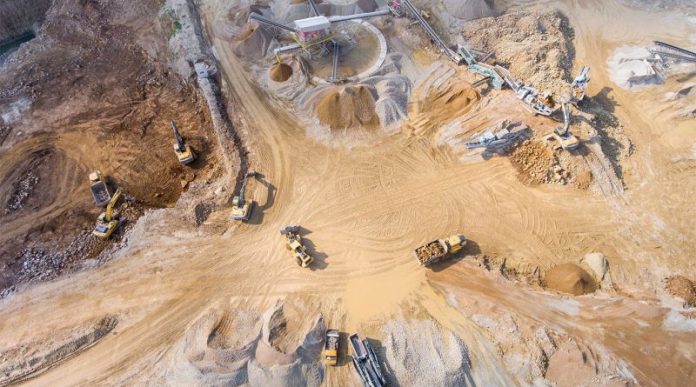
Barrick has agreed to sell its Hemlo gold mine in Ontario to Carcetti Capital in a deal valued at up to $1.09 billion. The payment package includes $875 million in cash, $50 million in equity in the newly named Hemlo Mining Corp and up to $165 million in contingent payments tied to gold prices and production, beginning in 2027. The sale is expected to close in the fourth quarter of 2025.
This transaction brings to a close Barrick’s active gold operations in its country of origin. The restructuring aligns with its strategy to shed smaller legacy assets and concentrate on higher margin Tier One gold and copper projects globally.
Deal structure and financing
Carcetti plans to finance the acquisition with a $400 million streaming agreement from Wheaton Precious Metals. Additional funds will come from a bank loan and private placement equity. Wheaton will receive 13.5 percent of payable gold until 181,000 ounces are delivered, then 9 percent for another 157,330 ounces, then 6 percent for the rest of the mine’s life.
Hemlo has delivered more than 21 million ounces of gold over its lifetime and produced 143,000 ounces in 2024, representing roughly 3.5 percent of Barrick’s output.
Strategic realignment
Barrick views Hemlo as a non‑core asset. The sale is part of a broader move to strengthen its focus on operations with longer life cycles and more favourable cost profiles. Projects in copper‑rich regions such as Pakistan and Zambia are now the primary drivers of Barrick’s capital allocation.
As gold prices remain elevated, divesting Hemlo provides immediate liquidity and potential upside through contingent payments. The firm affirmed that it will continue exploration in Canada despite the divestiture of active operations.
Broader implications for the mining landscape
This sale highlights several evolving trends across the mining industry. First, major producers are increasingly pruning legacy or lower margin assets to concentrate on growth‑weighted, high‑return projects in copper and gold. Second, mid‑tier players and private equity investors are poised to emerge as key consolidators of such assets.
Carcetti’s upcoming rebrand to Hemlo Mining Corp marks its leap from financier to operating company. Deals like Wheaton’s streaming arrangement illustrate how buyers are using creative financing to acquire and revitalise mature assets.
For regional economies in Northwestern Ontario the sale raises questions about future employment and local investment. New ownership may bring fresh capital and operational changes. Municipal and community stakeholders will be watching the transition closely.