


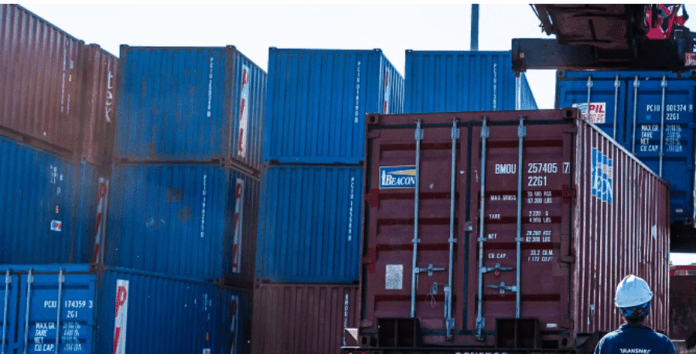
To speed up operations and improve the movement of cargo, and to minimise congestion, Transnet is implementing digital transformation at the Port of Cape Town through the introduction of automated gates and the extension of the digital booking system. The projects are part of a comprehensive program to upgrade South Africa’s port facilities and boost the competitiveness of the nation’s maritime industry. At the recent Oceans Economy Conference held in Cape Town, acting port manager Ophelia Shabane spoke about the need to use technology to enhance service delivery and streamline port processes.
An important part of this will be the ongoing deployment of the Integrated Port Management System (IPMS), which will allow customers to book and access maritime services online. In the past, numerous requests related to the ports were handled on a manual basis, which could lead to delays and inefficiencies. The digital platform enables clients to book services remotely via the internet and also to call services in a more convenient way. The system can handle a variety of services such as booking on ships, scheduling trucks, reservations at ship repair facilities, etc. The digital solution should enhance the customer experience and streamline administrative processes.

The Cape Town Container Terminal is one of the biggest initiatives in the digitalisation programme, which involves automated gates. Congestion at the port has been an issue for a long time, especially at the A-check access point where trucks wait to get into the terminal. The automated gate system will facilitate the process of getting trucks in and out of the building, eliminating delays and allowing for quicker loading and unloading of goods, Shabane said. This will optimize traffic throughput and minimize delays, thereby boosting productivity across the supply chain and streamlining port operations.

Cargo-handling equipment is also getting digital. The Cape Town Container Terminal recently got rubber-tyred gantry cranes (RTGs) with a remote operation system, which can be controlled remotely in case of necessity. This innovation offers better flexibility of terminal operations and safer working conditions. Under adverse weather conditions like strong winds, the crane operators can still be productive while working from secure work areas without reduced productivity. The technology shows the capabilities of how automation can enhance operational resilience without compromising safety.
Shabane highlighted that digitalisation and artificial intelligence should be seen as instruments to boost productivity and not as a job killer. Technological advances in equipment may lead to better technology, but skilled operators will remain an important part of port operations. For every RTG, for instance, there must be somebody, either manual, or remote, to operate it, either manually or remotely. Digital systems adoption is thus aimed at assisting workers to become more efficient, safe and productive, not at replacing them.

Transnet is also gleaning from best practices in international ports in its efforts to modernise. The organisation is also developing partnerships with foreign port authorities, such as the Port of Antwerp, to learn from the best practices and expertise that exist overseas. The partnerships are expected to contribute to operational performance improvement, deepening digitalisation and service delivery at South Africa’s ports.
The investment in digital infrastructure is an important move towards making the Port of Cape Town a smarter, more competitive and future-proof logistical hub as global trade increasingly relies on the efficiency and technology-empowered logistics networks. The measures aim to provide lasting value to shipping companies, cargo owners, transport service providers and the economy as a whole in South Africa.
