


How technology is enabling EMS providers to save more lives while supporting paramedics
By Justin Manson, Sales Director at Webfleet Solutions
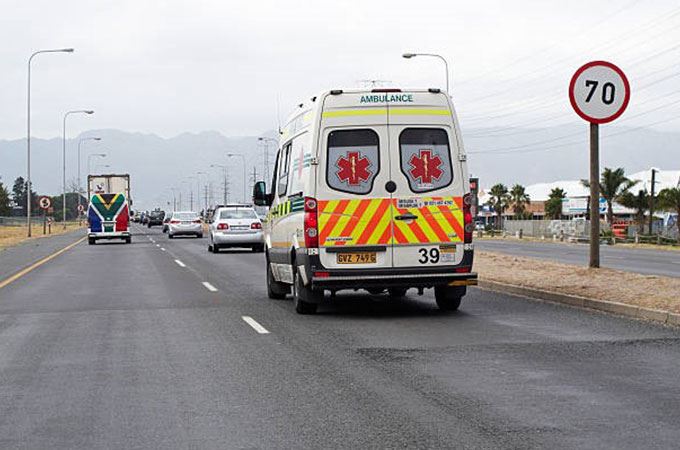
South Africa’s emergency medical services (EMS) is in its own state of emergency: the country only had 1,971 state-run ambulances on the road in 2018. Three years later, reports reveal that as many as 350 Gauteng ambulances are out of action due to accidents and only 40 state-owned ambulances are in operation in the City of Johannesburg, adding to the country’s challenge of meeting the growing demand for emergency medical care.
The growing need to protect EMS personnel and patients– Paramedics and other EMS personnel face a number of challenges in carrying out their critical services. They are often required to put their own personal safety at risk, and bravely face a wide array of scenarios in order to help those in need. For example, the unrest in July not only affected vaccine rollout efforts but also disrupted access to essential healthcare services and chronic medications, such as those for TB, diabetes, and HIV. This placed additional pressure on the already limited number of ambulances in the country.
This is in addition to road infrastructure obstacles across our country’s regions, and striving to ensure they are making the most efficient use of their limited resources to help as many of our citizens as possible.
The role of technology in the EMS sector– Netcare 911’s 24-hour national emergency operation centre (EOC), the single point of access to the full range of pre-hospital medical assistance services offered by its network, receives an average of 55 000 national and international calls per month and relies on GPS data and an emergency resource management centre to assign a vehicle to the emergency as quickly as possible.
To protect paramedics operating in dangerous red zone locations, the Western Cape implemented a call-taking and dispatch solution that routes emergency calls to a dedicated dispatcher who captures the location and other details of the emergency using an intuitive map. The dispatcher can then alert the responding ambulance if it needs to enter a red zone, and geo-mapping technology can help to ensure that high-risk areas are avoided wherever possible.
These are just a few examples of the immense pressure the country’s EMS industry is under to not only reduce response times but also protect paramedics through effective communication and route planning.
Telematics a powerful tool for SA’s EMS– The industry is seeing even more solutions being tailored to emergency services, allowing EMS providers like Life Employee Health Solutions and Maponya 911 Rescue to use technology, like telematics, to shorten response times and protect paramedics in the field.
This advanced technology enables dispatchers to identify the closest ambulance to an emergency, get a detailed view of its location, and determine whether or not the ambulance operator is on duty – streamlining EMS operations, even when operating with limited vehicles. A real-time view of a vehicle’s location also allows dispatchers to assure callers and patients that an ambulance is on its way. Additionally, they can see if an ambulance arrived at its intended destination and send assistance if it hasn’t.
Integrating telematics devices in ambulances allows drivers to stay in touch with the dispatcher and relay real-time updates about a call out. These devices also come with voice control, leaving first responders to focus on the road and arrive quickly and safely at their destination by avoiding traffic and detours.
Emergency responders often need to drive assertively through traffic to respond to patients on time, balancing their own safety with the needs of the patients waiting for them. Thankfully, the data collected by telematics isn’t limited to tracking. Dispatchers can also use it to reconstruct the events leading up to an accident and retrieve critical information required during an accident investigation.
Telematics solutions have a proven track record of streamlining fleet operations and promoting safer driving conditions across industries, and this includes the essential EMS fleets operating in South