spot_img

Zamboye mine disaster: When...

Zamboye mine disaster: When a closed mine keeps operating, who is responsible?

Weba Chute System’s grounded...

Across the global mining sector, Discrete Element Method (DEM) simulation has become a standard feature...

Kal Tire expands mining...

Kal Tire’s Mining Tire Group has signed an agreement with Transcale Pty Ltd.,...

One system, one supplier:...

ACTOM, South Africa’s largest manufacturer, repairer, and distributor of electromechanical equipment, has reaffirmed...
Home Blog Page 12

Bolt and Engineering Distributors Group gears up for NAMPO 2026

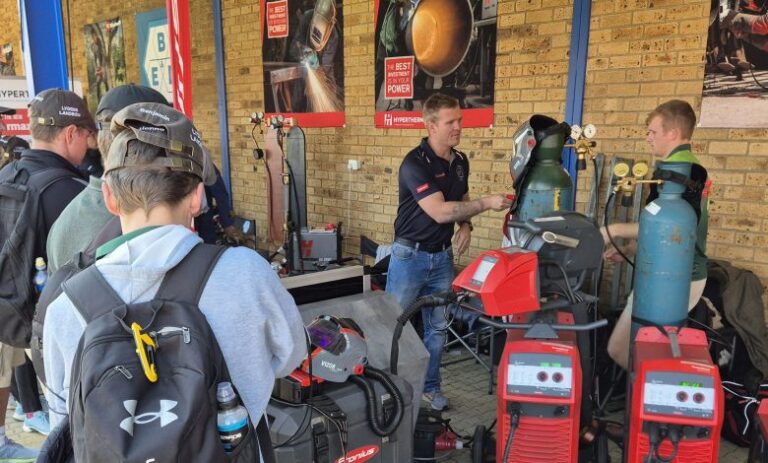
Bolt and Engineering Distributors Group (B.E.D.) is once again set to make a strong impact at NAMPO Harvest Day 2026, continuing a tradition of more than three decades at South Africa’s premier agricultural exhibition.

A Legacy of Consistency and Collaboration
Since its first modest tent display over 30 years ago, B.E.D.’s presence has grown into a multi-area exhibition featuring indoor and outdoor stands, plus a demonstration zone. The company’s NAMPO committee, led by Ian Lloyd, Carlien Bruce-Smith, Antonie van Zijl, and André Esterhuizen, ensures seamless coordination across branches in Klerksdorp, Welkom, Rustenburg, and Bethlehem. Their teamwork reflects B.E.D.’s national footprint and commitment to farmers.

Esterhuizen emphasises the collaborative spirit: “We work as a B.E.D. team. Everyone knows their role, and because we’ve worked together for years, there’s strong camaraderie.”

Reliable Logistics Partnerships Anchor South Africa’s Mining Supply Chains

South Africa’s mining sector, contributing 6–7% to GDP and over half of merchandise exports, faces mounting pressures from global and local disruptions. According to Standard Bank Africa’s Mining Value Chains Indaba 2026 report, the industry’s future growth depends not only on mineral extraction but on the resilience of its logistics networks.

Geopolitical tensions, particularly in the Middle East, have destabilised global energy markets. Blockades in the Strait of Hormuz threaten oil and gas flows, driving fuel price volatility and impacting mining operations that rely heavily on energy. Rising transport costs, freight rate fluctuations, and shipping uncertainties ripple across the export chain, eroding competitiveness.

At the same time, demand for critical minerals such as manganese and chrome is intensifying, placing further strain on logistics systems. Domestically, infrastructure challenges persist. While improvements such as reduced load-shedding and private investment signal progress, rail underperformance continues to bottleneck bulk commodity exports, forcing greater reliance on road transport. Transnet’s reforms, including opening the rail network to private operators, promise long-term relief but require sustained investment and coordination.

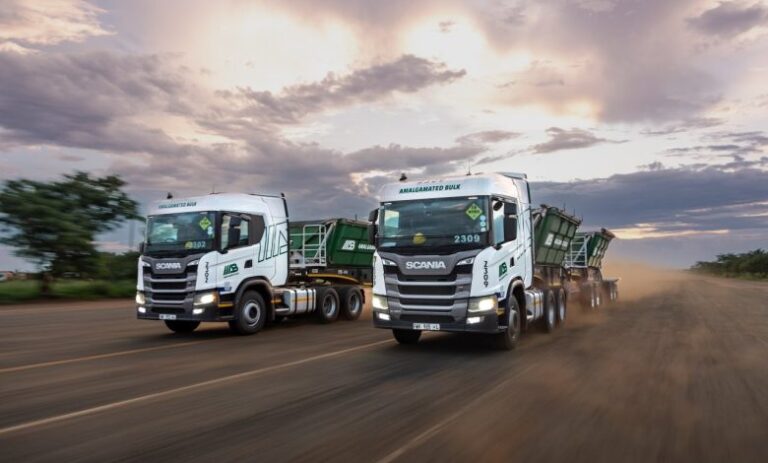
In this environment, logistics partnerships are proving indispensable. Experienced providers like Reinhardt Transport Group (RTG) emphasise integrated corridor-based logistics, centralised fleet control, and route diversification to maintain continuity. Real-time visibility across fleet movements and collaborative planning with clients and ports helps mitigate delays and optimise efficiency.

Concor’s wind energy gamechanger – full BOP under one roof

0

In a milestone achievement for South Africa’s renewable energy sector, Concor has taken full control of the Balance of Plant (BoP) scope on the TotalEnergies Renewables De Aar 2 South Wind Energy Facility in the Northern Cape. This marks the first time the company is delivering a fully wrapped BoP contract under its own direct engineering and construction management. Not only is Concor the main contractor for the 25 turbine project spread across five farms near Philipstown, but it is also responsible for both the Civil BoP (CBoP) and Electrical BoP (EBoP) – from design and engineering through to execution including the Eskom Distribution self-build scope. This comprehensive self-perform approach represents a bold departure from traditional contracting models and signals Concor’s evolution into a truly turnkey BoP provider.

“With over 13 years of experience in renewable energy infrastructure, more than 10 wind farms successfully completed since 2012 and a further six wind farms currently in various phases of construction, Concor is no stranger to the demands of this sector,” says Stephan Venter, Contract Director at Concor. “But this project sets a new benchmark. By taking full ownership of both the engineering and construction elements, we are reducing interfaces, improving accountability and de-risking the process for our clients.”

This strategic shift positions Concor at the forefront of renewable project delivery in South Africa, offering clients a streamlined single-source BoP solution that enhances coordination and ensures delivery certainty.

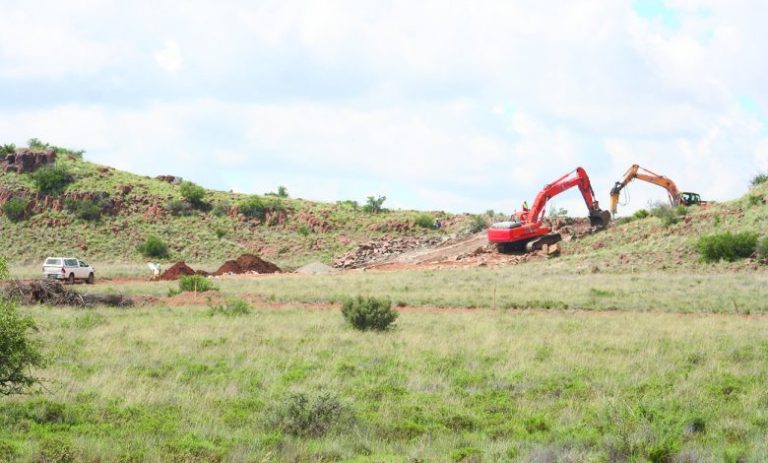
The 5,473 hectare facility is on a fast track programme, with early works launched in November 2024 and completion expected by Q3 of 2026. The company’s scope includes 54 km of gravel road infrastructure, starting with the realignment and upgrading of 15 km of the existing Kranskop district road to accommodate heavy turbine components. Additionally, 41 km of new internal access roads are being constructed, supported by extensive blasting and cut-and-fill earthworks to adapt to the local terrain.

Wits DigiMine develops innovative digital platform for mining

0

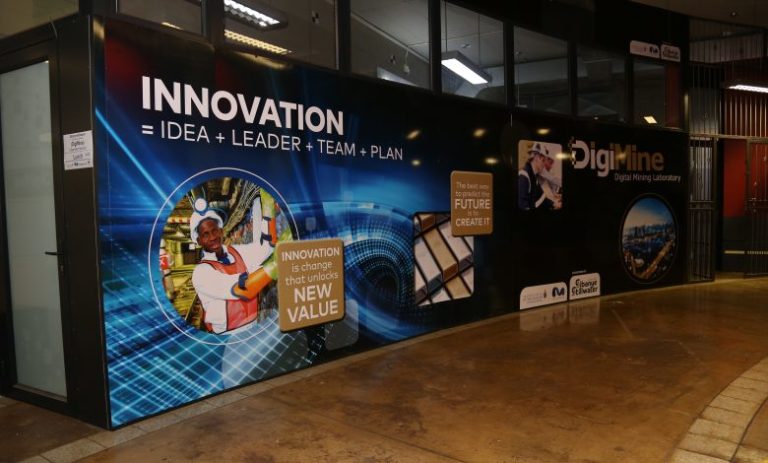
A new digital platform developed at the Sibanye-Stillwater Digital Mining Laboratory (DigiMine) within the Wits Mining Institute is offering a practical solution to one of the mining sector’s most persistent challenges: building trust with the communities located near mining operations.

The platform, known as the Intelligent Community Dialogue Agent (ICDA), is being developed in collaboration with local and international partners as part of the MASTERMINE project, funded by the European Union’s Horizon Europe programme.

According to Dr. Ahsan Mahboob, Head of DigiMine and principal investigator on the ICDA project, many of the most pressing challenges facing the mining industry today are not technical or operational, but social. “The most complex challenges facing mining companies today are no longer technical or geological, but social, particularly in how they manage their impact on local communities and the surrounding environment,” said Dr. Mahboob.

He explained that while many mining companies recognise the importance of responsible community engagement, there is often a gap between intention and effective action. The ICDA aims to close that gap by enabling structured, two-way communication and transparent, responsive interaction. “Addressing these tensions requires more than outreach. It demands consistent, transparent, and reciprocal engagement. Communities must feel that their concerns are not only heard but responded to with clarity and urgency,” he said.

AECI Mining showcases growth with launch of German facility

0

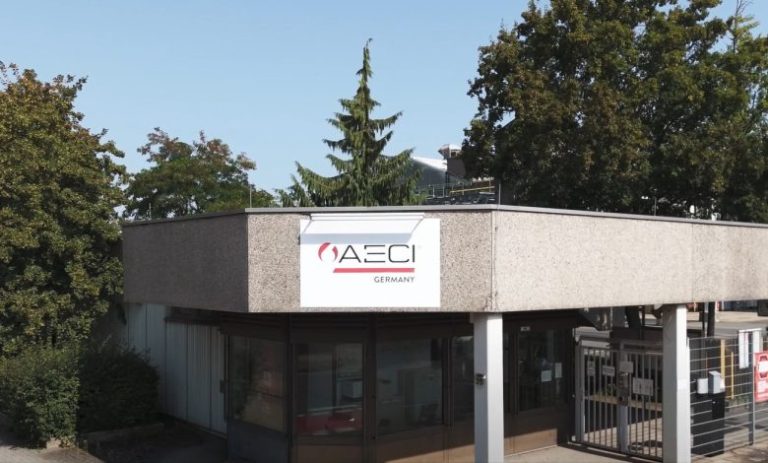
We have strengthened our global presence with the addition of a state-of-the-art facility in Wolfenbüttel, Germany.”

AECI Mining is exhibiting at the 13th EFEE World Conference on Explosives and Blasting at the ICE Kraków Congress Centre. Delegates can visit the AECI Mining team at Stand 50, where they will showcase their latest innovations and engage with industry peers and partners.

At the centre of this year’s showcase is a significant milestone in the company’s global journey: the commissioning of a new emulsifier and coatings manufacturing facility in Wolfenbüttel, Germany. For the first time, AECI is producing emulsifiers and coatings in Europe. This strategic shift enables the business to better serve its international customer base with increased proximity, reliability, and responsiveness.

Previously, emulsifier and coatings production was centralised at AECI’s flagship Umbogintwini (Umbog) plant in South Africa, with products exported worldwide. The addition of the Wolfenbüttel site marks a significant expansion of AECI Mining’s global footprint, strengthening its ability to meet customer needs across Europe and beyond.

Ride The Rails With Grinding Techniques

0
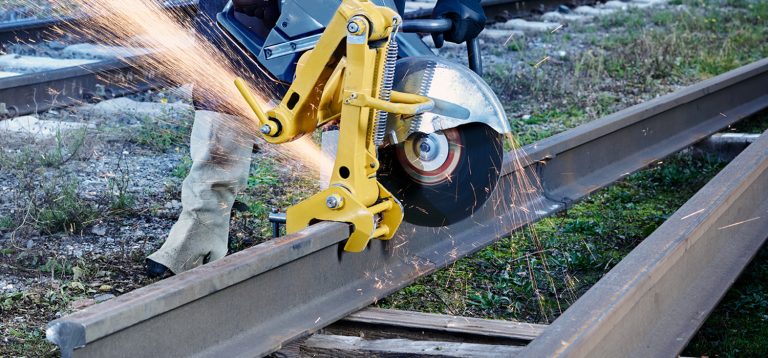
Grinding Techniques manufactures a range of cut-off discs in the Superflex brand to suit various application requirements.
  

When selecting a cut-off disc, certain important points have to be considered, including the material to be cut, the power rating of the machine, the speed at which the machine operates, and the required accuracy and neatness of the cut.

When considering rail cutting applications, additional safety and material requirements are presented.

Conventional cut-off discs are designed to operate at a maximum peripheral speed of 80m/s. Due to the nature of rail cutting machines used, Superflex rail cut-off discs are designed to operate at a maximum peripheral speed of 100m/s to suit the more powerful petrol-driven machines.

These machines have a remarkably high torque, which improves the performance, but also presents a safety issue on cut completion. The discs may experience an over-speed due to the torque, which is accommodated for in the improved design.

When it comes to heavy-duty applications the Superflex range includes two products that stand out – the 350x4x25.4 A24Q and 400×4.2×25.4 A24Q rail cut-off discs. These discs are designed for use on large, portable petrol cut-off saws, for cutting railways and other large steel sections.

When it comes to rail tracks, which are typically manufactured to be very hard in order to better handle the weight and stresses exerted on them, updated grain technology has seen the introduction of the 350×4.2×25.4 ZA24S and 400×4.2×25.4 ZA24S Superflex Zirconia Alumina Rail cut-off discs.

Not only do these products reduce cutting time and overall cost per cut, but they also improve the effectiveness of each cutting operation. Capable of faster cuts, these discs also reduce heat of the material on application for further improvement of overall performance.

Orion secures $250M Glencore funding for Prieska Mine

0

Orion Minerals has taken a major step toward reviving its flagship Prieska Copper Zinc Mine in South Africa after signing a non-binding term sheet with Glencore for up to US$250 million in financing and concentrate offtake.

Join our WhatsApp channel for more news updates on Orion Minerals

The agreement, announced on September 17, will see Glencore provide between US$200 million and US$250 million through two tranches. The first, worth US$40 million, is earmarked for construction and startup of the near-surface “Uppers” deposit.

A second tranche of up to US$210 million will support the deeper-level “Deeps” development, with up to US$50 million available for early works.

In exchange, Glencore will secure offtake rights to 100% of copper and zinc concentrates from the Deeps for ten years, and 100% of bulk concentrates from the Uppers for five years, under competitive market terms.

Orion CEO Tony Lennox described the deal as a “watershed moment” that positions the company to transition from developer to producer. “Tranche A enables the Company to move swiftly into first production and first cash flow from mining of the Uppers,” he said, adding that early drawdown of Tranche B would ensure smooth progression to full-scale operations at the Deeps.

Glencore’s Toby Spittle, from its copper marketing division, said the company had been following Prieska’s progress closely. “We look forward to playing our part in financing the mine’s development and subsequent marketing of the concentrates,” he said.

ALSO READ:
Orion raises A$5.8M to advance Prieska and Okiep projects

The Industrial Development Corporation of South Africa (IDC), an early backer of Prieska, also welcomed the move. Acting divisional executive Rian Coetzee said the project would deliver significant job creation in the Northern Cape and contribute to regional socio-economic growth.

Located in South Africa’s mineral-rich Northern Cape, Prieska ranks among the world’s top 30 volcanogenic massive sulphide deposits, with historical output exceeding 430,000 tonnes of copper and one million tonnes of zinc.

Orion is targeting first production from the Uppers in late 2026 or early 2027, with plans to ramp up to more than 30,000 tonnes of copper and 65,000 tonnes of zinc annually when both Uppers and Deeps are in steady-state production

Mining Round-Up: Key deals, appointments and milestones

0

Africa’s mining sector has seen a flurry of activity this week, ranging from major financing agreements to leadership changes and exploration progress across the continent.

Orion Minerals has advanced plans to revive its flagship Prieska Copper Zinc Mine in South Africa, signing a non-binding term sheet with Glencore for up to US$250 million in financing and concentrate offtake. The move marks a significant step in bringing the historic operation back into production.

Also Watch: Partnerships essential for creating a transparent battery value chain

In Angola, Pensana Plc announced the appointment of Karen Brown as Chief Operating Officer, effective 1 October 2025. She succeeds Rocky Smith, who will remain involved in a consulting role as part of the team developing the Longonjo Project.

Exploration momentum is also picking up. Altona Rare Earths has begun its resource drilling programme at the Monte Muambe Project in Mozambique, with the first hole, MM111, underway.

Meanwhile, Rome Resources reported encouraging assay results at its Mont Agoma prospect in the Democratic Republic of the Congo, confirming significant tin, zinc and copper mineralisation.

South Africa’s Steenkampskraal Monazite Mine (SMM) confirmed it has received the first tranche of funding from the Industrial Development Corporation (IDC) to construct Phase 1 of its Metallurgical Implementation project. The mine is recognised as one of the world’s highest-grade rare earth and thorium deposits.

In Namibia, Andrada Mining Limited reported a strong operational performance for the quarter ended 31 August 2025 (Q2 FY2026), highlighted by record tin production and continued progress across its growth initiatives.

Rounding out the updates, West Wits Mining Limited has raised A$17.5 million through a placement to institutional and professional investors, with the funds earmarked to accelerate development of the Qala Shallows project.

6 coal billionaires in Africa you didn’t even know existed

0

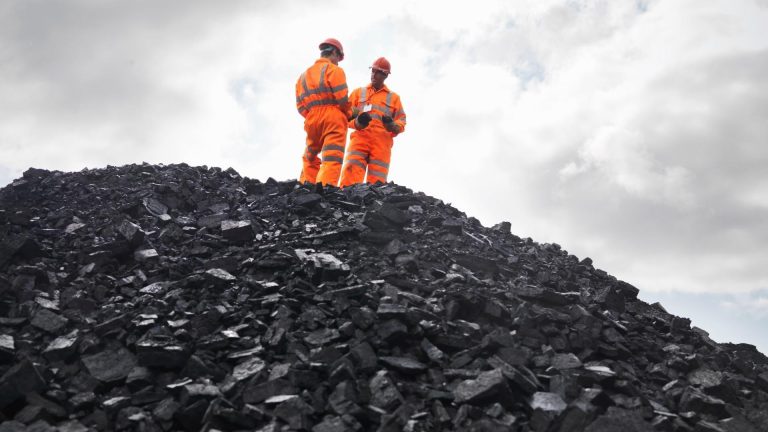
Coal may be dirty, outdated and under attack from climate activists across the globe, but in Africa it remains the cornerstone of electricity supply, jobs and private fortunes; and behind closed doors, a more subdued story is being told: coal has produced billionaires.

Yet, the public face of the discussion remains centred on Eskom’s loadshedding and South Africa’s Just Energy Transition, and the strong drive for renewable energy.

Coal’s enduring significance in Africa extends beyond its role in electricity generation, encompassing substantial economic and social impacts. Despite global pushes for cleaner energy alternatives, coal continues to be a cornerstone of many African economies, providing not only power but also employment opportunities and generating considerable private wealth. This persistence highlights the complex challenges faced by countries attempting to balance environmental concerns with economic development and energy security.

The coal industry’s influence in Africa is particularly evident in the creation of a class of ultra-wealthy individuals who have capitalised on the resource’s abundance and demand. These coal magnates represent a diverse group including seasoned politicians leveraging their connections, foreign investors bringing capital and expertise, and local entrepreneurs who have risen to prominence. Their wealth manifests in various forms: from ostentatious displays of luxury to more subtle yet powerful boardroom influence.

These aren’t always the names you’ll find on Forbes’ African rich list. While some stealthily operate the levers behind boardroom doors, others show off their wealth through philanthropy. Their capacity to turn tonnes of coal into billions of rand and so impact Africa’s energy future is what binds them together.

Cyril Ramaphosa – Phembani Mining Group

When South Africa’s president talks about “energy reform” and “transition”, few mention that he himself once had skin in the coal game. But make no mistake: Cyril Ramaphosa’s fortune has deep roots in mining, particularly coal.

Through his involvement with Shanduka Group, which later merged into Phembani Group, Ramaphosa managed investments in coal resources that supplied Eskom and other entities. Phembani evolved into a significant entity, expanding into the petroleum and infrastructure sectors, yet coal remained a central focus.

Currently, as president, Ramaphosa is unable to directly manage these businesses, but his background in the industry complicates the climate change discourse. Critics contend that his previous connections to coal enterprises hinder his ability to appear impartial in discussions about reducing carbon emissions. This situation highlights the deep connections between politics and mining wealth in South Africa.

Autonomous trucking takes flight: International’s fleet trials in Texas

0

International Motors has taken a major step in autonomous trucking with the launch of its second-generation customer fleet trials in Texas. Partnering with PlusAI, the initiative signals a turning point for freight transport as the industry prepares for commercial deployment of self-driving trucks by 2027. The trials are being closely watched by fleet operators, policymakers, and competitors as the technology nears large-scale adoption.

From beta to real-world

The trials are powered by PlusAI’s SuperDrive, an AI-based autonomous driving system refined through years of development. In late 2024, the TRATON Group, which includes International, Scania, and MAN, launched Beta 5.0 of SuperDrive after extensive testing in Europe and the US. The rollout highlighted Texas as a critical deployment hub because of its heavy freight traffic and supportive infrastructure.

The system integrates a factory-installed sensor suite, upgraded compute power, and International’s S13 Integrated Powertrain, designed to enable safe and efficient hub-to-hub operations. By moving from controlled road tests to customer fleet trials, International and PlusAI are validating the performance of autonomous technology under daily logistics conditions.

Hitting the ground with fleet trials in autumn 2025

The fleet trials are operating along the I-35 freight corridor between Laredo and Dallas, one of the busiest trucking routes in the US. Managed from International’s autonomous hub in San Antonio, the program is set to provide valuable insights into operational readiness.

The trucks, based on International’s LT Series, are factory-built with integrated autonomous hardware and software rather than aftermarket retrofits. This distinction is expected to improve scalability and safety validation, accelerating the path to commercialization. For customers in the trials, the program offers a clear view of how Level 4 autonomy could reshape long-haul freight operations.

PlusAI’s key performance indicators

Progress is reflected in PlusAI’s publicly reported performance metrics. By the first half of 2025, the company had achieved 86 percent Safety Case Readiness, measuring how well its system handles safety-critical scenarios. At the same time, 98 percent of miles driven were fully autonomous, while 76 percent of trips required no remote assistance.

These figures show steady progress toward reliability and self-sufficiency. They also create a framework for evaluating readiness, giving regulators and fleet operators more confidence in the system’s maturity.

Navigating toward commercial pilots

Even with strong results, safety remains the central concern for fleet operators and regulators. International and PlusAI have built safeguards that include remote assistance for rare but critical events such as tire blowouts or mechanical failures. This layered approach ensures that autonomy does not compromise safety, even in unexpected situations.

By combining rigorous testing with customer trials, the companies aim to build the trust needed for broader adoption. For logistics providers, the value lies in efficiency, predictability, and reliability, all of which are critical for freight operations.

Industry moves in the same direction

International’s initiative is part of a wider competitive field. Torc Robotics, backed by Daimler Truck, recently established an autonomous trucking hub near Dallas-Fort Worth to advance its pilot programs. Other players are mapping similar freight corridors across the US, reflecting a race to capture early market share.

For International and PlusAI, the advantage lies in their combination of OEM integration and proven performance metrics. Their partnership through the TRATON Group provides global reach, while Texas offers an ideal proving ground for scalable deployment.

The current trials set the stage for a commercial launch of factory-built, Level 4 autonomous trucks in 2027. If successful, the initiative could transform freight logistics by enabling continuous hub-to-hub operations with minimal human intervention.

For the trucking industry, the shift may lead to lower operating costs, improved safety, and more consistent delivery times. For regulators and the public, it raises questions about infrastructure, labor impacts, and long-term trust in automated systems.