

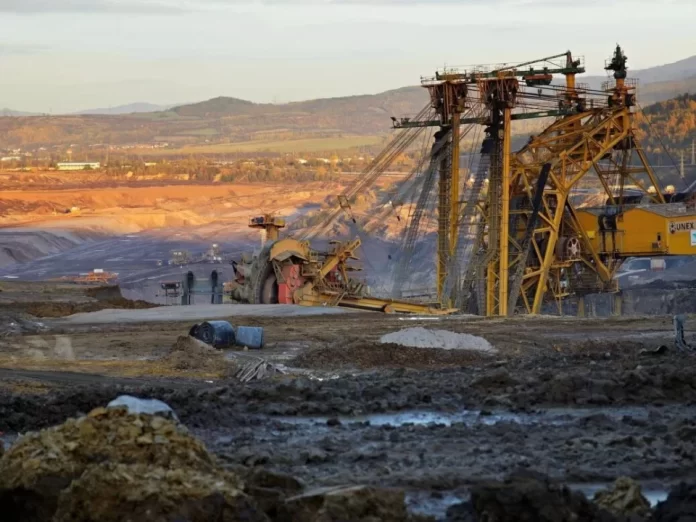
Lithium is a crucial component in the switch to renewable energy, but the extraction process of this critical mineral has been costly to the environment.
Lithium arguably plays the most important role in ditching fossil fuels and ensuring the world can move towards a zero-carbon future. The lightweight metal is found in rechargeable lithium-ion batteries, which are used in most personal electronics and most importantly, electric vehicles (EVs).
The demand for EVs has seen a huge increase in recent years, with companies scrambling to target multiple lithium exploration projects to ensure lithium supply can meet demand. However, in order to ensure the safety of our planet, lithium extraction methods must be done in an environmentally sensitive way that causes as little damage.
Any type of resource extraction is harmful to the planet, with removal of raw materials resulting in oil degradation, water shortages, biodiversity loss, damage to ecosystem functions, and an increase in global warming.
The Innovation Platform takes a look at why lithium extraction is bad for the environment and how companies are ensuring their extraction methods are eco-friendly so that we can meet the ever-growing demand for lithium.
The increasing demand for lithium
Lithium demand is higher than ever, with calls for at least $42bn in lithium investment over the next six years in order to meet 2030’s goal of 2.4 million tonnes of lithium production per year.1
The demand for lithium is so high due to its integral role in EV batteries. EVs are becoming increasingly common on our roads, with over two million vehicles sold in 2018 alone.
The growing interest in lithium has seen the world’s largest-known reserves increase significantly. According to the US Geological Survey, there are around 80 million tonnes of identified reserves globally.2
Lithium is irreplaceable for the high-energy batteries that power portable electronics and electric vehicles. It has a unique position on the periodic table, offering high voltage and high capacity that cannot be replicated by other metals. A select few battery technologies have shown potential to one day replace today’s lithium-ion batteries. These new batteries are based on lithium metal and lithium silicon anodes, which improve performance but also increase lithium usage per kilowatt-hour.
After South America – mainly Bolivia, Chile, and Argentina – the next biggest lithium-producing country is the US, followed closely by Australia and China. In 2019, lithium exports from Australia were reported to have totalled almost $1.6bn.
Lithium is mainly sourced from either spodumene or brine. Australia is home to the majority of hard rock (spodumene) mines, while brine production is concentrated in South America, mainly in Chile and Argentina.
Lithium carbonate and lithium hydroxide are the two lithium compounds employed for battery cathode production, with carbonate currently making up the bulk of usage. In brine production, lithium chloride is extracted from alkaline brine lakes before being converted to carbonate.
With this in mind, it is crucial to explore how these different extraction methods impact our planet and ecosystems.
Why is lithium extraction bad for the environment?
Despite its potential to power a net-zero future, lithium extraction methods can cause great damage to the environment, with the metal often described as the non-renewable mineral that makes renewable energy possible. Extraction of the product causes several environmental defects, including water contamination and increasing carbon dioxide emissions.
