


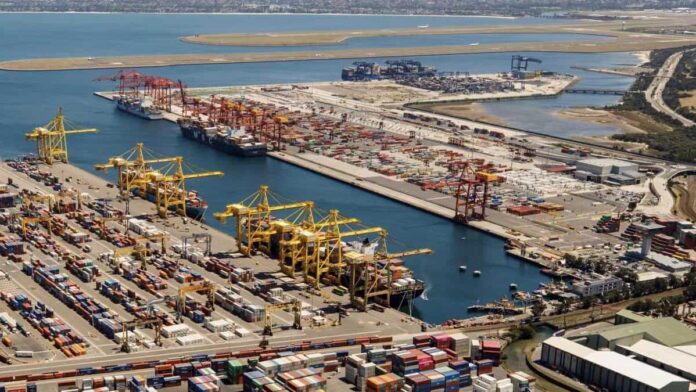
The Federal Court has dismissed the Australian Competition and Consumer Commission’s (ACCC) appeal over New South Wales’ ports privatisation process, upholding the 2021 judgement that the Port Commitment Deeds between New South Wales and NSW Ports do not have any anti-competitive or illegal purpose or effect.
Federal Court Justice, Jayne Jagot, said that the Port Commitment Deeds between the state and NSW Ports do not have any anti-competitive or illegal purpose or effect.
NSW Ports CEO, Marika Calfas, has described the decision as a win for economic certainty and prosperity across the state, benefiting consumers, exporters and importers.
“Maintaining the right ports and freight strategy to cater for New South Wales’ growing trade needs is crucial to the state’s economic future,” Ms Calfas said.
“Port Botany and Port Kembla are key economic drivers for New South Wales and the nation, contributing more than $13 billion a year to the state’s economy and supporting 65,000 jobs.”
The court’s decision aligns with the New South Wales Government’s long-term container port strategy that using capacity at Port Botany first, followed by a new container terminal at Port Kembla, best supports the state’s trade needs.
This strategy delivers the most effective use of public infrastructure, while catering for population and economic growth in Sydney’s west and south-west.
Locating container ports near major population centres maximises supply chain efficiencies and minimises freight travel, with 80 per cent of containers arriving in New South Wales travelling less than 40km from Port Botany to reach customers.
Developing a container terminal at the Port of Newcastle, rather than using available container capacity at Port Botany, which is less than half full, would increase supply chain costs for Australian exporters, importers and consumers.
It would also add up to 5,400 truck movements a day to Newcastle’s roads and the M1 Pacific Motorway, worsening congestion and greenhouse gas emissions.