spot_img

Zamboye mine disaster: When...

Zamboye mine disaster: When a closed mine keeps operating, who is responsible?

Weba Chute System’s grounded...

Across the global mining sector, Discrete Element Method (DEM) simulation has become a standard feature...

Kal Tire expands mining...

Kal Tire’s Mining Tire Group has signed an agreement with Transcale Pty Ltd.,...

One system, one supplier:...

ACTOM, South Africa’s largest manufacturer, repairer, and distributor of electromechanical equipment, has reaffirmed...
Home Blog Page 28

Road test: Renault Range D430

0

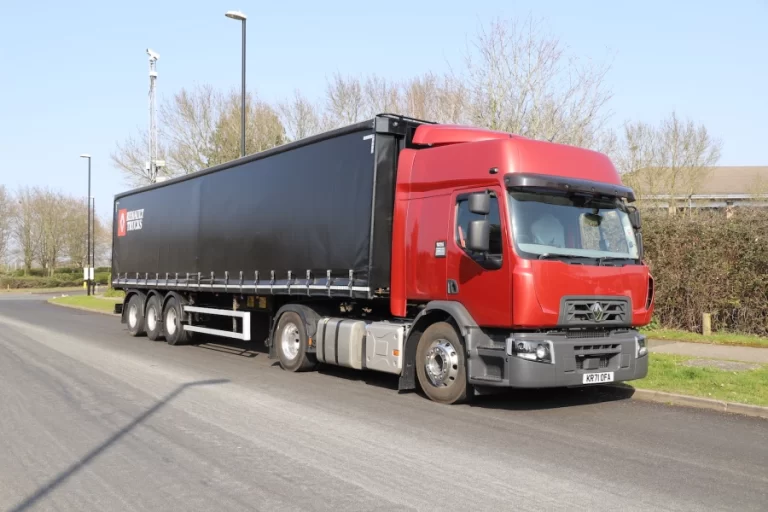
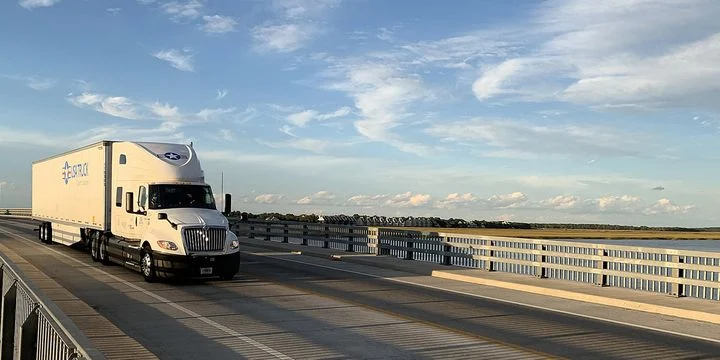
Renault’s small-cabbed ‘Wendy house’ Range D430 tractor unit is not a big seller – and while it has some merits, it’s certainly showing its age. But as a truck, is it any good? Let’s put it to the test…

Before we go any further, we admit Renault is rapidly changing our perception about its products – indeed, the Range T High we tested in the July issue was a bit of an eye-opener and a refreshing change. It was a very good truck and above all made a very sound business case.

That was proven to us a few weeks ago when a loyal Scania operator told us he’d taken his first Range T High because it just made economic sense over his Swedish preference. And he was even giving up his beloved manuals to ‘go French’. There is every chance that if his new truck delivers as he hopes, he may not go back to Scania.

The problem is while the Range T High is a true flagship and the Range T is a great all-rounder, at the smaller end of the scale there’s no alternative for Renault other than using the elderly Premium cab as the Range D. And you could be forgiven for not even knowing the Range D tractor unit exists, because Renault has never really plugged the model. It was always assumed if you wanted a Renault for general distribution, a Range T was your best bet.

In fact, the truth is a Range T is indeed your best bet. But Renault does offer a D430 4×2 tractor unit and, more surprisingly, this year it even has one in its press demo fleet. So Trucking asked to take it out – and despite initial bemusement from Renault’s marketing men, they were more than happy to let us take it for a spin.

For those that don’t know, the Range D is the small-cab Renault for general distribution. You’ll typically find the cab on the 4×2 and 6×2 rigids; but as a tractor unit, it’s uncommon.

It is Renault’s alternative to the DAF CF (soon to be XD), Scania P- or G-series, Volvo FM, MAN TGS, Iveco S-WAY AT, and Mercedes-Benz Actros with smallest ClassicSpace cab.

But this cab is actually from the Premium range launched way back in 1996. It appeared in two heights and the lower-height version was reincarnated as the Range D when the Range T appeared nearly a decade ago.

Technical overview

The Range D is mostly used as a rigid, but it is available as a 4×2 tractor for inter-urban distribution. There is no 6×2 option as a tractor unit – not even with a small midlift – so its gross vehicle weight is 40 tonnes, which is the weight our test vehicle was running at.

As you’d expect, the driveline is pure Volvo. The DTi 10.8-litre straight-six engine is rated at 424 bhp between 1700-1900 rpm, with a torque rating of 2050 Nm from 1000-1400 rpm; so the same as an FM11-430. The engine features common-rail high-pressure fuel injection, an overhead camshaft and rear-mounted timing. It meets Euro 6e emissions.

The Optidriver AT 2412F gearbox has 12 forward speeds and an automatic clutch. The front axle is rated at 7500 kg and the rear at 11,500 kg. The wheelbase is 3700 mm. The truck weighed in at 7023 kg, which for a 4×2 with high-roof sleeper is not outstanding, but nor is it appalling.

Inside the cab, the bottom bunk looked comfortable enough, but obviously was not as wide as Range T version as the Range D is that bit narrower. It’d do for the odd night out from time to time, but you wouldn’t want to ‘live’ in this cab for a week – and nor should anyone expect you to.

The truck also has a ‘second bunk’. We say that in inverted commas because it was ‘sort of’ a hammock and not exactly a thing you’d want to sleep on. Because the cab is so small, it can only be fully extended if the seats are tipped forward slightly; and even then, it’s a pain in the backside as it’s on rails and you have to lift it out of a slot, pull it forward and then drop it in another slot to make it flat.

It’s a strange and annoying way to provide a second bunk; and besides, the thought of double-manning in a cab this size with very limited storage really doesn’t bear thinking about.

This top bunk set-up is cumbersome, convoluted and irritating. When it’s in place, you are left with a thin hammock which does not look especially comfortable. It also can’t really be used as a shelf, other than when the truck is stationary. Its rivals in this class – a high-roof small cab such as DAF’s CF Space Cab, Scania’s Highline, or Volvo’s FM Globetrotter are just so much better.

On the road

OK, so the cab is dated, cramped and mildly impractical; but how good is it on the road? Well, here the little Renault starts to clawback some credibility.

One thing that instantly struck us was its pulling power, which is very impressive. With 424 bhp on tap at 40 tonnes, it works out to just over the ‘benchmark’ 10 bhp per tonne – not a bad power-to-weight ratio at all. It accelerated exceptionally well, which is a major plus point; especially if time is of the essence in your work.

The D430 also handled very well indeed. Inside the cab was a little bit noisy for our liking – maybe because of its age – which would become off-putting during a long shift. But in terms of performance, we genuinely couldn’t fault it. We’ve driven many trucks in this power category and they have been sluggish, but this little Renault is actually very nippy indeed.

We took the D430 on a circular trip from Warwick, through Kenilworth and Balsall Common, up to the M6 and then for a short blast along the motorway before returning via Coventry, Leamington and back to Warwick. That gave us a chance to undertake some town driving, A-roads, B-roads, dual-carriageways, motorways and also experience some stop-start roadworks as well.

In fairness, the truck performed better than we’d expected. For a distribution truck, it wasn’t too bad a drive at all. Not enthralling, not amazing; just competent. By today’s standards, the truck is relatively basic and spartan inside.

It has little ‘wow’ factor; it’s functional, but quite dated – especially the dash. There are annoying features, like the cruise controls split into two sets of buttons either side of the steering wheel.

Verdict

This truck does the job, but it won’t get your excitement levels up. It’s a distribution truck, so perhaps it’s not meant to excite. However, it’s incredibly hard to make a solid case for buying this truck over its rivals.

Why? Well, the main thing is Renault’s list price for it is the same as a Range T! So unless you get a good discount on it, it’s hard to persuade any operator or take a Range D over a Range T. The D’s only plus point is it will be lighter than a T, and lighter still with a flat-roof sleeper or a day cab. It’s not available as a 6×2, and the market for 4x2s is still fairly limited.

It’s simply impossible to prefer the Range D compared with a DAF CF, Volvo FM, Scania P-series and indeed every other small-cabbed tractor on offer.

Sadly, with its 26-year-old cab, the D430 is very dated. You can argue the CF cab is older – it is – but its refreshes have been far superior, and more regular. If DAF’s XD follows on from the new XG, then it may well move to the top of the tree of the ‘Wendy houses’.

The Range D might be cheaper than those rivals – certainly than the Swedish models – but any gains may be lost when it’s time to sell it on.

Supermarket Iceland – which used to have basic Premium models with flat roofs, but the higher cab – has put a lot of Range T day-cab 4×2 tractors into its fleet, which further highlights the market for the D430 is pretty limited.

As a truck, it’s fine. If you operate an all-Renault fleet and need a tractor that’s lighter than a Range T, there’s a crumb of a case for it. But as an investment, it starts to wane in appeal. Most operators in the market for a 400-450 bhp, small-cab 4×2 would probably be better looking elsewhere; and the fact this is such a rare truck suggests they already do.

In fairness, we don’t think Renault is pinning its long-term prospects on the Range D as a tractor unit; and given the Range D is a rigid as well, maybe a new cab will be on the horizon. If that were to be the case, we hope it has a better upper bunk!

That said, next year there might be a couple of ex-demo D430 4×2 tractors available at a bargain price…

We like

  • Pulls well
  • Easy entry
  • Volvo driveline
  • Nippy
  • Handles well

We don’t like

  • Dated cab
  • Pricey for what it is
  • Pointless top bunk

Test Specification

Model: Renault Range D430
Design GCW: 40,000 kg
Chassis: 3700 mm wheelbase
Front axle: 7500 kg capacity
Rear axle: 11,500 kg, 2.47:1 ratio
Gearbox: Optidrver AT2412F automated 12-speed
Engine: DTi-11, 10.8-litre, straight-six, SCR
Max power: 424 bhp @ 1700-1900 rpm
Max torque: 2050 Nm @ 1000-1400 rpm
Cab: D high-roof sleeper
FMCSA Assesses Impact of COVID-19 Emergency Declaration

0

The Federal Motor Carrier Safety Administration is seeking comment on its emergency declaration that provides motor carriers some regulatory relief when assisting the nation’s COVID-19 emergency.

On Aug. 31, FMCSA extended its emergency declaration until Oct. 15. Now, the administration officials want to know to what extent carriers currently rely on the declaration, if the usage is “fit for the intended purpose of limited relief” and whether there has been an impact on safety or the supply chain.

FMCSA’s declaration was first issued in March 2020, and was previously extended in May 2022. It provides for regulatory relief for commercial motor vehicle operations providing direct assistance supporting emergency relief efforts intended to meet immediate needs for:

  • Medical supplies and equipment related to the testing, diagnosis and treatment of COVID-19.
  • Supplies and equipment, including masks, gloves, hand sanitizer, soap and disinfectants, necessary for healthcare worker, patient and community safety, sanitation, and prevention of COVID-19 spread in communities.
  • Equipment, supplies, and food for emergency restocking of stores.
  • Persons necessary for establishment and management of temporary housing and quarantine facilities related to COVID-19.
  • Persons designated by federal, state or local authorities for transport for medical, isolation or quarantine purposes.
  • Personnel to provide medical or other emergency services.

Since September 2021, the primary categories of commodities transported under the declaration were food, paper products and other groceries for emergency restocking of distributions centers or stores; and livestock and livestock feed.

Between October 2021 and July 2022, there was an almost 50% decrease in transportation of medical supplies and equipment related to the testing, diagnosis, and treatment of COVID-19; and supplies and equipment necessary for community safety, sanitation, and prevention of community transmission of COVID-19.

World’s largest

0

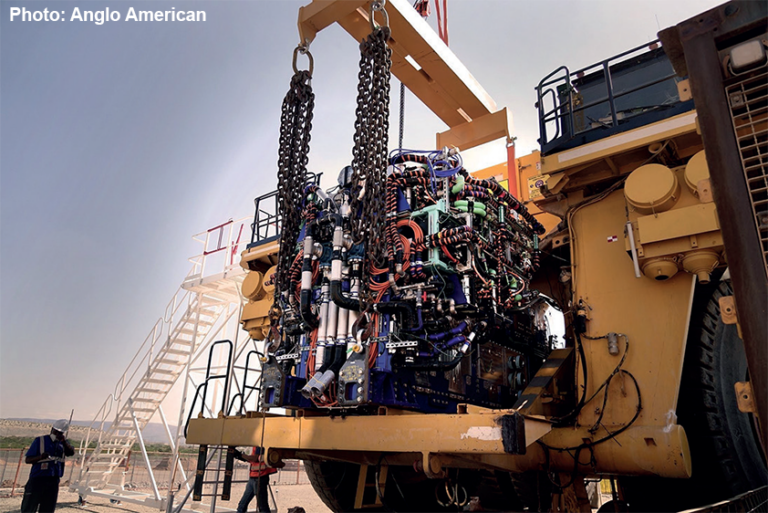
The ultra-class haul truck once burned thousands of gallons of diesel fuel per year, but now it’s powered by a hydrogen fuel cell and lithium-ion battery powerplant designed and built by First Mode engineers in Seattle.

The two-megawatt hydrogen-fueled powerplant was installed in a haul truck at Anglo American’s platinum mine at Mogalakwena, South Africa. This vehicle is the world’s largest zero-emission truck. As tall as a three-story building and weighing 200 tons empty, this truck can carry up to 290 tons of ore. Deploying Anglo American and First Mode’s zero-emission power source keeps 700 cars’ worth of carbon dioxide emissions out of the atmosphere. “At First Mode, we know we are at a ‘fire-everything’ moment. The urgency in front of us requires that we deploy every tool and every technology to battle climate change,” said Chris Voorhees, president and CEO of First Mode. “I’m so proud of the team and our partnership with Anglo American, focused on decarbonization at the source to affect the meaningful, necessary change we all seek. We hope that this zero-emission clean energy breakthrough will inspire others to create significant action in the fight for our planet.”

7 Safety Tips For Transporting Oil And Gas

0

Transporting merchandise has varying needs based on the item’s properties. For instance, some commodities are perishable, and you need to ensure they do not become substandard during transit. And as such, these types of goods require refrigeration, while others, such as oil and gas, need you to factor in safety.

Care is required when transporting oil and gas since mishandling can lead to considerable losses. It begs the question; what safety measures should you establish when transporting such items?

With that said, this article outlines some essential measures to consider in transporting oil and gas.

Wellsite.com
  1. Utilize the Right Mode of Transportation

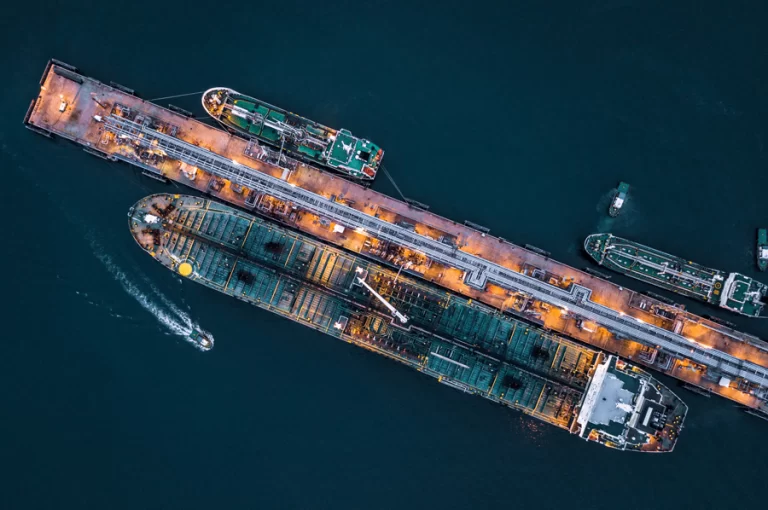
The container you use during transport can highly determine safety. With oil and gas transportation, there are many methods you can utilize, from rail to pipelines to trucks to the sea. Whichever system you use, you need to do it appropriately.

If you’re to use pipelines, ensure that the pipes are made from material with good mechanical properties. It should also be continuously monitored to avoid any leakage or spill, which could be hazardous to health and the environment. Additionally, faulty pipelines may also lead to fire and explosions due to the high flammability of gas.

With trucks, ensure the carrier is made of the right material too. It should be thick enough to prevent changes in temperature on the outside affecting that of the carrier inside. Aside from using carriers, you can also opt for containers, especially when transporting via sea.

With the many types of containers available, choosing the one suited to transport oil and gas is essential. To help with your selection, consider seeking the assistance of container hire experts to best approach the transportation requirements of oil and gas.

  1. Drive Within Acceptable Speed Limits

The speed limit tip applies if trucks are used to transport your oil and gas. It is said that driving at high speed is one of the crucial contributors to road accidents. As such, your driver should be aware of the speed to maintain.

When driving at high speeds, you could have less control of the vehicle should you find an obstruction ahead of you. You’d either have to swerve or hit an object.

Swerving might cause imbalance, resulting in the truck tipping over. Moreso, when this happens, there’s a probability of the oil or gas leaking and causing an explosion if there’s something inflammable nearby. On another note, hitting an object might also damage the engine or any part that could lead to a fire.

High speeds could also lead to tire bursts which may result in accidents. Most oil and gas accidents are fatal; therefore, your driver needs to exercise more caution to protect their lives and other parties nearby.

  1. Ensure You Train Your Drivers

During transit, your drivers are in control. Hence, you need to train them adequately. One of the aspects they need training in is defensive driving.

Defensive driving is an essential skill that can help your drivers prevent accidents and deal with other drivers on the road. It is vital since they’re transporting delicate products, and they need to handle themselves carefully no matter the situation.

In addition, you need to train your drivers in handling the oil and gas before, during, and post transport. They need to be aware of the dos and don’ts to prevent catastrophes.

Aside from the preventive mechanisms, there could be a possibility of a fire breaking out. As such, fire training can also be crucial as your drivers need to be well prepared. It would be best to hire experts from the fire department to train your staff in fire management. This way, they may know what to do and won’t panic during a fire breakout.

  1. Maintain Your Transporting Equipment

Your transportation’s condition may also contribute to safety during transit. Consider practicing routine maintenance to ensure the machinery is in pristine condition. For pipelines, ensure the pipes don’t have holes that could leak during transport. The same applies to your chosen transporting container.

If you’re utilizing trucks, ensure they’re in top-notch condition. For instance, the engine should be running well and well-oiled, the tires need to be well inflated, and spares should be available. When the vehicle is in good condition, you may prevent accidents that could be catastrophic, as previously stated.

It’s also good to note the regulations when it comes to the oil and gas industry. There may be other minimal conditions required for your vehicle when transporting flammable substances. These differ from state to state; thus, it is best to familiarize yourself with these. Knowing these laws will not only ensure you’re compliant but may protect your goods, drivers, and other road users.

  1. Invest in Fire Fighting Equipment

With the flammability of oil and gas, a fire could be the main worry during transport. As such, you may need to adopt the right tools. One of the essential tools in your truck is a fire extinguisher. It may suffice for small manageable fires before they spread and become unmanageable, requiring expert intervention.

As you equip your trucks with this, it is good to know that different classes of fire may require a specific extinguisher. That said, ensure to purchase one, particularly for oil and gas.

  1. Utilize Warning Signs

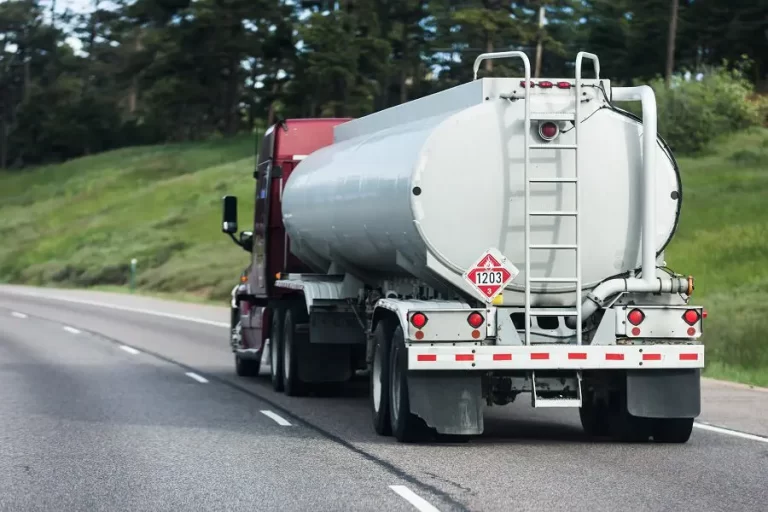
Warning signs can benefit other road users, as they are notified of transportation containing flammable substances. Most oil and gas transportation trucks and carriers have warning signs on their bodies, flame illustrations, and danger illustrations.

As you indicate these signs, ensure that they’re big and can be seen from a distance. In addition, consider using bold colors on the warning signs so they can stand out for easier visibility.

  1. Adopt Monitoring Tools

During the transportation of oil and gas, anything can be possible. As such, it makes it necessary to invest in monitoring tools, such as trackers and cameras.

Should there be an accident, you can trace the vehicle’s location to provide assistance and prevent extensive damage. Additionally, if there is a hazard ahead of the route, you may conveniently inform your driver, allowing them to seek alternative directions.

Furthermore, a camera can help you monitor your driver to ensure they follow all the safety precautions. If they’re deviating, you can warn them. After all, prevention is better than cure.

Conclusion

Factoring in safety when transporting oil and gas isn’t as challenging as you might have presumed. This article has provided you with some tips and measures worth considering and implementing to have seamless oil and gas transportation.

Choreographing the Big Transportation Dance for Energy Trading and Risk Management

0

U.S. energy markets continue to evolve, shaped by demand disruption on a global and local scale, price volatility, and increasing demand for specific commodities like natural gas and LNG. Energy trading is a complex business that involves large numbers of oil field transactions and a big dance that requires traders to continuously coordinate supply and demand with the movement of commodities over multiple types of transport, including truck, rail, pipeline and barge. The dance involves not just produced products, such as crude, gas and natural gas liquids, energy trading extends across the supply chain into finished fuels and refined products.

Consider the energy requirements for a typical hydraulic fracturing job. Margins are frequently narrow for energy traders who supply diesel fuel for frac spreads, underscoring the need to precisely gauge demand, and supply these fuel intensive oil field operations with exactly the right volume. With a typical hydraulic fracturing operation requiring one million gallons of diesel, even a small miscalculation can result in significant monetary loss.

Adding complexity to the big transportation dance is managing driver demurrage, the costs incurred by shippers when freight is delayed and left sitting on a loading dock to be picked up or delivered. A truck waiting in line for hours to fuel a frac job is just one example of how a trader’s margins can be eroded by demurrage, making it imperative to the bottom line to schedule just-in-time arrivals and departures to prevent dancers from stumbling.

Wellsite.com

Energy Trading and Risk Management Defined

To operate efficiently and prevent financial losses, those in the business rely on energy trading and risk management (ETRM) solutions, which comprise digital technologies and the processes in place to execute trades, move commodities, and comply with regulatory agency reporting and tax. Gartner, the leading technology, research and consulting company, offers a well-rounded definition for ETRM:

ETRM involves commercial decision making and market execution using an integrated system that enables data exchanges among trade floor, operations, credit, contract and accounting functions. Integral to the process are event and trade identification/capture, comprehensive risk management strategies/policies, scheduling/nomination/transportation, and settlement execution. The process also provides for price transparency, market monitoring, controlled access and regulatory compliance.

The ETRM definition above does a good job of highlighting the fundamental challenges that energy traders face in managing so many moving parts. In the digital oil field, paper field tickets persist and systems for capturing transactions are often disconnected from market analysis and pricing data, the general ledger, accounts receivable and regulatory systems, which creates bottlenecks for cash flow. ETRM systems, by nature, also do a poor job of asset management, and an even poorer job of scheduling with time constraints and third-party providers.

Those in the business of selling finished fuels and refined products often feel like their organization is in the banking business. That’s because paper-based transactions, inconsistent routing of tickets from operations, and manual workflows delay accounts receivable invoices by months, which can feel like the seller is continuously lending money to buyers. Given the volume of transactions involved, teams can be out millions at any given time, underscoring the need for robust accounting processes that work in parallel with the logistical complexities of energy trading.

Unique Complexities of Finished Fuels and Refined Products

Traders must constantly track rack and index prices (such as OPIS and DTN), forecast monthly and annual weighted averages, and determine optimal times to load from yard, pickup from rack, stockpile, hold, and sell. Trading is fiercely competitive, leading oil field suppliers to optimize fleet movement to better service customers, the complex dance that involves continuous dispatch updates and analysis of electronic logging data (ELD) and driver utilization.

There are always risks involved in trading any type of commodity, whether buyers are basing their decisions on cyclical trends or speculating in a new market. For regulatory, service providers face major challenges in maintaining current physical position reports and ensuring DOT compliance. Trucking operations that cross state lines also inject additional complexity from the rigorous reporting requirements of the International Fuel Tax Agreement (IFTA).

Unlike contracts that are traded on the major commodity exchanges – like natural gas and crude oil – suppliers of finished fuels and refined products take physical custody of these commodities. That puts these traders in the transportation business, requiring companies to manage fleets of trucks and drivers in parallel with the back office and trading operations. With intensifying scrutiny of greenhouse gas emissions, traders must find ways not only to optimize their operating costs, but they must also minimize their carbon footprint while optimizing ESG.

Solving Transportation Management Challenges

What finished fuels and refined product traders need is a transportation management system (TMS) to manage the logistical complexities of trucking operations with ETRM capabilities for managing trades and risk. However, typical TMS solutions aimed at solving energy trading present cost and complexity overkill for the industry, and can take a year and massive capital outlay to deploy.

Figure 1: Deal fulfillment screen for finished fuels and refined products.

Combining a mobile app for drivers and a comprehensive back office suite for dispatch, inventory management, accounting and deal capture, W Energy Software’s TMS solution can be deployed in just weeks and at a fraction of the cost of “big box” solutions. The cloud-based solution automatically captures transactions and incorporates real-time index pricing of transportation cost data and rack prices into cloud-based deal fulfillment screens, enabling marketing teams to instantly view supplier and customer pricing, KPIs (e.g., run time, drive time, load/unload time), and margin calculations.

The TMS solution provides traders with the robust transportation management capabilities needed to manage shipments by truck as well as modern ETRM technology to gain unprecedented visibility into high volume transactions, enabling organizations to increase business performance and deal volume. Importantly, W Energy Software’s TMS is the only solution that provides seamless integration with a trader’s core financials, accelerating accounts receivable and cash flow while mitigating risks with automatically generated physical position reports, including IFTA.

W Energy Software’s TMS enables continuous, real time communications with all available transporters, allowing the back office to choreograph the “big dance” of oil field transportation and ensure the fluid movement of trucks and the disposition of commodities at any given time. The real time communications unlocked by the cloud and mobile devices are also enabling predictive inventory – both long and short – at storage locations, virtually eliminating costly demurrage fees for trucking.

In oil field transportation, not everything goes as planned, requiring carriers, dispatchers and suppliers to collaborate around a wide variety of data to adapt plans and keep moving. The TMS solution eliminates data silos by integrating transportation contracts and commodity price feeds from price indexes in context with traffic and weather data. Additionally, with real-time visibility into prices at origin and destination locations, W Energy Software’s TMS provides shippers with increased optionality and enables rapid response to supply chain anomalies, increasing agility and improving margins.

Driving Operational Excellence at Scale

A leading wholesaler and marketing company procures finished fuels and refined products across North America. It supplies oil field operations throughout major basins, including fuel-intensive hydraulic fracturing.

The company had relied on manual, paper-based processes for a large number of monthly transactions, limiting accountability and visibility into buying. It operates a large fleet of trucks nationwide, adding operational and logistical complexity through reliance on paper run tickets and manual invoicing processes.

What’s more, paper-based processes, inconsistent routing of tickets from operations, and manual workflows delayed customer invoicing by two weeks and as much as two months, continuously impacting the company’s cash flow from delayed payments. With complex state tax obligations that vary from product to product, it also faced significant delays for regulatory reporting and taxes that often required three months to prepare.

To maximize deal margins, the oil field supplier wanted to incorporate real time rack and OPIS prices, automatically calculate monthly and annual weighted averages for multiple products, and determine optimal times to execute transactions. Its dispatch department wanted to better understand driver utilization and gain insights into ELD data to optimize fleetwide performance while minimizing driver turnover. And, in order to compete and improve service times for customers, the company needed to optimize truck routes by avoiding deadhead runs, bypassing road closures, and rerouting when storage terminals sell out.

The oil field supplier needed to maintain a current physical position report and ensure DOT compliance by capturing driver KPIs and certifications for trucks and drivers. It set out to find a solution that would also accelerate customer invoicing and tax preparation to improve cash flow and eliminate the time, costs and G&A associated with manual invoice processing and tax workflows.

Figure 2: Mobile app for truck drivers automatically optimizes routes, fuel usage and emissions.

The company deployed W Energy Software’s TMS and ETRM solution to automatically record transactions and integrate real time OPIS and rack prices. Through intuitive, cloud-based fulfillment screens, its marketing staff can instantly calculate margins, track suppliers and customer pricing, and view real time key performance indicators, including run, drive and load times. Leveraging trend graphs and weighted average algorithms, the oil field supplier gains unprecedented visibility into 2,000 monthly transactions, enabling it to triple volume output.

W Energy Software provides the company with a complete real time fleet optimization and invoicing solution that includes an advanced mobile app for dedicated use on tablets and printing integration with mobile printers, enabling it to track inventory and generate current customer processing, dispatching and delivery insights. The solution enables dispatch to better optimize fleet performance by seeing if drivers are over or underutilized and, in some cases, allows drivers to completely bypass dispatch by using a “pickup from” or “deliver to” the nearest location feature. The mobile app also leverages real time route optimization capabilities similar to FedEx and UPS to provide drivers with the fastest routes based on current road conditions, taking into account HAZMAT restrictions, if applicable, such as traffic and road closures.

The W Energy Software TMS solution provides actionable insights that help the company mitigate monetary loss by better understanding risks in the field, including complex frac fueling operations, maximizing margins. The solution automatically captures performance history for trucks and drivers (e.g., speeding, running stop signs) and streamlines medical certification compliance with DOT. In addition, W Energy Software’s TMS solution automatically creates physical position reports to help the oil field supplier better manage risks.

By deploying W Energy Software’s TMS solution, the company’s accounting team reduced invoicing time to a maximum of four days, with 90 percent of customer invoices being submitted within one day, while giving it the assurance that it has invoiced 100 percent of its accounts receivable. The solution also helps the oil field supplier avoid millions in sales tax reporting (from a well-known ETRM tax software package) with W Energy Software’s all-inclusive tax module that cut tax preparation for the company from three months to thirty minutes. The solution has had a significant positive impact on its cash flow, enabling the company to purchase more finished fuels and refined products, increase sales and remain positioned for growth.

Best-in-class energy traders are defined by their margins, customer experience and agility to meet evolving market conditions head on. Increasingly, best-in-class risk management in the oil field must incorporate environmental stewardship – not just financial and regulatory risk mitigation – especially as Wall Street, private equity and the public look beyond the wellhead into the broader energy supply chain for ESG improvement. Energy traders, bulk commodity transportation providers, crude first purchasers and other oil field players who rely on large scale trucking operations have an opportunity to embrace digital transformation, enabling organizations to grow revenue and improve customer experience while reducing their carbon footprint and maintaining a social license to operate.

Ferrous Pipes Used in The Process Piping for Oil and Gas/Energy Sector

0

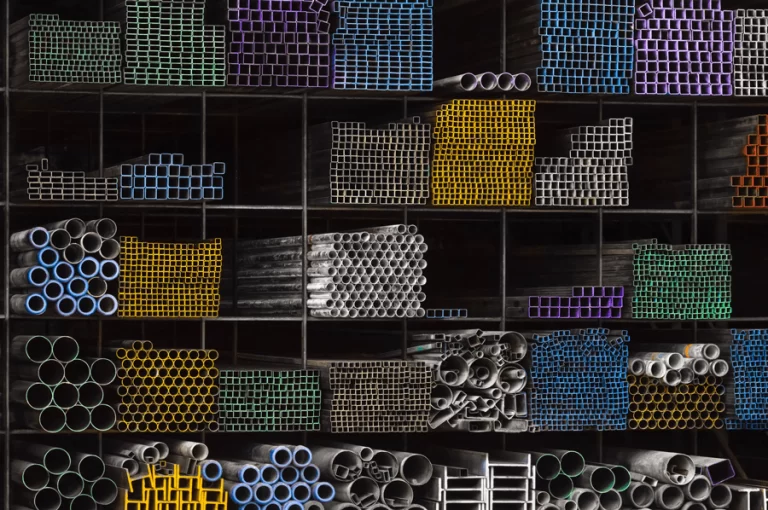
Pipe materials can be categorized into metallic and non-metallic pipes. Metallic pipes are further subdivided into ferrous and non-ferrous types. The ferrous has iron as a main component and the non-ferrous does not have iron as a main component. The carbon-steel pipes, stainless-steel pipes, chrome-moly pipes and cast-iron pipes are ferrous pipes with iron being the main component. Nickel and nickel alloy pipes, as well as copper pipes, are non-ferrous pipes. The plastic pipes, concrete pipes, special pipes such as plastic-lined pipes, glass-lined pipes and concrete-lined pipes, which may be used in special applications, are called non-metallic pipes. Ferrous pipes are the most widely-used pipes in the energy industry; carbon-steel pipes are used in abundance. The ASTM and ASME standards govern the various piping and piping materials used in the process industry.

Classification of Steel

Based on the chemical compositions, steel can be categorized into four basic groups:

Wellsite.com
  1. Carbon Steel
  2. Alloy Steel
  3. Stainless Steel
  4. Tool Steel

Carbon steel is the most utilized steel in the industries and accounts for more than 90 percent of the total steel production. Based on the carbon content, carbon steel is further classified into three groups:

  1. Low Carbon Steel/Mild Steel
  2. Medium Carbon Steel
  3. High Carbon steel
Ferrous Pipes Used in The Process Piping for Oil and Gas/Energy Sector

In Alloy steel, varying proportions of alloying elements are used, in order to achieve desired (improved) properties such as weldability, ductility, machinability, strength, hardenability, and corrosion resistance, etc. Some of the most used alloying elements and their effects are as follows:

  1. Manganese – Increases strength and hardness, decreases ductility and weldability.
  2. Silicon – Used as deoxidizers in the steel making process.
  3. Phosphorus – Increases strength and hardness and decreases ductility and notch impact toughness of steel.
  4. Sulfur – Decreases ductility, notch impact toughness and weldability. Found in the form of sulfide inclusions.
  5. Copper – Improves corrosion resistance.
  6. Nickel – Increases hardenability and impact strength of steel.
  7. Molybdenum – Increases hardenability and enhances the creep resistance of low-alloy steel.

Stainless steel is an alloy steel with 10.5 percent chromium (minimum). Stainless steel exhibits extraordinary corrosion resistance due to formation of a very thin layer of Cr2O3 on the surface. This layer is also known as a passive layer. Increasing the amount of chromium will further increase the corrosion resistance of the material. In addition to chromium, nickel and molybdenum are also added to impart desired (or improved) properties. Stainless steel also contains varying amounts of carbon, silicon and manganese. Stainless steel is further classified as:

  1. Ferritic Stainless Steel consists of iron-chromium alloys with body-centered cubic crystal structures (BCC). These are generally magnetic and cannot be hardened by heat treatment, but can be strengthened by cold working.
  2. Austenitic Stainless Steel is most corrosion resistant. It is non-magnetic and non-heat-treatable. Generally, austenitic steel is highly weldable.
  3. Martensitic Stainless Steel is extremely strong and tough, but not as corrosion-resistant as the other two classes. This steel is highly machinable, magnetic and heat-treatable.
  4. Duplex Stainless Steel consists of a two-phase microstructure consisting of grains of ferritic and austenitic stainless steel (i.e., ferrite + sustenite). Duplex steel is about twice as strong as Austenitic or Ferritic Stainless Steel.
  5. Precipitation-Hardening (PH) Stainless Steel possesses ultra-high strength due to precipitation hardening. (Out of these five types, the first four i.e., austenitic, ferritic, martensitic and duplex, are categorized according to their crystal structure. If they are additionally strengthened by precipitation hardening process, then the product obtained is known as Precipitation-Hardening (PH) stainless steel.)

In addition to the above grades, some advanced grades (or specialty grades) of stainless steel also being used in the industries are:

  1. Super Austenitic Stainless steel
  2. Super Ferritic Stainless steel
  3. Super Martensitic Stainless steel
  4. Super Duplex Stainless steel

The austenitic stainless steel can be further divided into two types:

  1. Austenitic Stainless steel containing chromium and nickel as the main alloying elements (in addition to iron). These are identified as AISI 300 Series types.
  2. Austenitic stainless steel containing chromium, nickel and manganese as the main alloying elements (in addition to iron). These are identified as AISI 200 Series types.

Tool Steel has a high carbon content (0.5 to 1.5 percent). Higher carbon content provides greater hardness and strength. This steel is mostly used to make tools and dies. Tool steel contains various amounts of tungsten, cobalt, molybdenum and vanadium to increase the heat and wear resistance and durability of the metal. This makes tool steel ideal for use in cutting and drilling tools.

Carbon Steel Pipes

These pipes are widely used in the process industry. The designation of the pipes done by ASTM and ASME looks different, but the material grades will be the same. For example:

ASTM A 106 Gr

  • A [330 Mpa]
  • B [415 Mpa]
  • C [485 Mpa]

The material above, when designated as per ASME standards, will be:

ASME SA 106 Gr

  • A [330 Mpa]
  • B [415 Mpa]
  • C [485 Mpa]

The material composition and properties on both the ASME and ASTM codes will be the same other than the designation. The tensile strength of ASTM A 106 Gr A is 330 Mpa, ASTM A 106 Gr B is 415 Mpa and ASTM A 106 Gr C is 485 Mpa. The most commonly used carbon steel pipe is the ASTM A 106 Gr B. There is an alternative to the ASTM A 106 Gr A 330 Mpa, which is ASTM A 53 (hot dipped galvanized or line pipe), which is also a widely used pipe grade among carbon steel pipes. There are two types of grades in ASTM A 53 pipe:

  1. ASTM A 53 Gr A
  2. ASTM A 53 Gr B

There are three types of ASTM A 53 pipes – Type E (ERW – Electric Resistance Welded Type), Type F (Furnace and Butt Weld), Type S (Seamless). In the Type E, both ASTM A 53 Gr A and ASTM A 53 Gr B are available. In the Type F, only ASTM A 53 Gr A is available, and in the Type S again ASTM A 53 Gr A and ASTM A 53 Gr B are available. The tensile strength of ASTM A 53 Gr A pipe is similar to the ASTM A 106 Gr A, which is 330 Mpa. The tensile strength of ASTM A 53 Gr B pipe is similar to the ASTM A 106 Gr B, which is 415 Mpa. This covers the widely used carbon steel grade pipes in the process industry.

Stainless Steel Pipes

The stainless steel pipes that are mostly used in the process industry are known as austenitic stainless steel. The essential characteristic of austenitic stainless steel is that it is non-magnetic or paramagnetic. The three important specifications of austenitic stainless steel are:

  1. ASTM A 312 (ASME SA 312)
  2. ASTM A 358 (ASME SA 358)
  3. ASTM A 409 (ASME SA 409)

ASTM A 312 (ASME SA 312)

There are 18 grades in this specification of which the most commonly used is the 304 L. The popular category is 316 L because of its high resistance towards corrosion. The ASTM A 312 (ASME SA 312) is used for piping 8” or below in diameter. The “L” along with the grade indicates that it is low in carbon content and this enhances the weldability of the pipe grade.

ASTM A 358 (ASME SA 358)

This specification is used for pipe sizes 8” and above.

ASTM A 409 (ASME SA 409)

This specification is used for large diameter welded pipes. The pipe schedules covered in this specification are Schedule 5S and Schedule 10.

Weldability of Austenitic Stainless Steel – Austenitic stainless steel possesses higher thermal expansion than the ferritic or martensitic stainless steel. Distortion or warping occurs during the welding of austenitic stainless steel due to its high coefficient of thermal expansion and low thermal conductivity. Austenitic stainless steel is susceptible to solidification and liquation cracking. Hence, proper care to be given while selecting filler material and welding process. Submerged arc welding (SAW) is not preferred when fully austenitic stainless steel or low ferrite content weld deposit is required. Table (Appendix – 1) is a guide for the selection of proper filler wire or welding rods, as per the base material (for austenitic stainless steel).

Chrome-Moly Pipes

The chrome-moly pipes are suitable for high temperature service lines because the tensile strength of the chrome- moly pipes is maintained during the high temperature. This pipe finds its application in power plants, heat exchangers, etc. The specification of this pipe is ASTM A 335 with multiple grades:

  1. P1 & P2 – 380 Mpa
  2. P12 – 415 Mpa
  3. P23 – 510 Mpa
  4. P24 – 585 Mpa
  5. P91 – 585 Mpa (Type 1 and Type 2)
  6. P92 & P911 – 620 Mpa
  7. P122 – 620 Mpa
  8. P36 – 660 Mpa
  9. Other grades – 415 Mpa

Cast Iron Pipes

Cast iron pipes are used in services such as fire protection, drains, sewage, heavy load (subjected to heavy load) – underground pipes, etc. The grades of cast iron pipes are:

  1. Ductile Iron Pipe
  2. Dur Iron Pipe

The ductile iron pipe is used in underground piping for fire protection service. The dur iron pipe is hard due to the fact that it contains silicon. These pipes are used in commercial acid services, as this grade shows resistance to commercial acids, as well as used in water treatment where acidic wastes are discharged.

Ferrous Pipes Used in The Process Piping for Oil and Gas/Energy Sector

References

  1. ASTM A312 / A312M – 19 – Standard Specification for Seamless, Welded, and Heavily Cold Worked Austenitic Stainless Steel Pipes
  2. ASTM A358 / A358M – 19 Standard Specification for Electric- Fusion-Welded Austenitic Chromium-Nickel Stainless Steel Pipe for High-Temperature Service and General Applications
  3. ASTM A409 / A409M – 19 Standard Specification for Welded Large Diameter Austenitic Steel Pipe for Corrosive or High- Temperature Service
  4. Process Piping B31.3 – 2020
  5. Power Piping B31.1 – 2020
  6. 2019 ASME Boiler and Pressure Vessel Code, Section VIII, Division 1
  7. 2019 ASME Boiler and Pressure Vessel Code, Section VIII, Division 2
  8. 2019 ASME Boiler and Pressure Vessel Code, Section VIII, Division 3

Without American LNG, the Fight Against Russia Would Have Been Much, Much Worse

0

This year, Russia invaded Ukraine, threatening not just the sovereignty of European nations, but also the world energy market. When America, along with our allies and trade partners, rightfully sanctioned Russia, refusing to fill Moscow’s coffers, the global energy market was impacted. American LNG has served as a tourniquet, staunching the possibly devastating economic impact of removing one of the world’s largest energy producers from the world stage.

Energy expert and author Daniel Yergin, in a recent interview, best summed up America’s energy position like this: “Today, we [the United States] are basically self-sufficient, if you look on a net basis. And we’re the world’s largest oil producer. And this was unthinkable a decade and a half ago.”

And that great leap – from unthinkable to our reality – is entirely credited to American oil and gas producers.

Wellsite.com

American energy production, driven by national leader Texas, has transformed the global oil and gas industry. Since 2012, crude oil production has risen 95 percent and natural gas production has risen 46 percent. In Texas’ Permian Basin, total oil and gas production increased over 320 percent between 2011 and 2020. And Texas single-handedly accounts for roughly a quarter of U.S. natural gas production. With this prolific production, it came as no surprise that in 2020 we crossed the threshold from net petroleum importer to net exporter.

Hand-in-hand with rapidly growing energy production, America’s investment in liquified natural gas (LNG) infrastructure over the past several years has proved not just to be a boon, but a necessity. The lower 48 states only began exporting LNG in February 2016. Just over five years later, the United States officially became the world’s leading LNG exporter, surpassing Russia. And once again, it is Texas energy that made it possible. The coasts of Texas and Louisiana have become home to our country’s largest LNG export terminals, and more than 85 percent of the additional planned U.S. LNG export capacity will be located in the Gulf of Mexico and supplied largely by Texas natural gas.

Without American LNG, the Fight Against Russia Would Have Been Much, Much Worse

In short, the shale revolution delivered energy security that we had not held in decades.

Our ability to wield that energy security has proven invaluable. Thanks to American oil and gas supply, Russia could not as easily leverage its energy supply against EU leaders. To put into context the dependence of Europe on Russian energy, consider this: Russia provided 20 percent of Europe’s LNG imports in 2021. That same year, the United States was providing just over a quarter of Europe’s LNG imports – which means to fill the void left by Russia, the U.S. would need to almost double our LNG exports to the region. And so far, we’ve successfully done so.

In January alone, the United States supplied more than half of the LNG imports into Europe. However, we’ve promised to deliver much, much more. At the end of March, President Biden pledged to supply Europe with an additional 15 billion cubic meters of LNG by the end of this year to offset imports from Russia. Beyond Europe, global LNG demand is also set to surge, both in the short and long term. By 2040, world demand for LNG is projected to increase 90 percent, compared to 2021 consumption levels.

If we are to keep up with our promises to Europe, and broader global demand, we will need to push our LNG export capacity even further. In November 2021, the EIA estimated that U.S. LNG nominal liquefaction capacity was 9.5 Bcf/d and peak capacity was 11.6 Bcf/d. And yet, as it currently stands, the export terminals along the Gulf Coast have already been strained.

In February of this year, LNG tankers were docked or loading at all seven U.S. LNG export terminals. To expand our capacity, many have called for the Federal Energy Regulatory Commission (FERC) and other agencies to expedite approval on proposed export terminal projects. Approvals aimed at improving our capacity in the short-term are already underway.

In mid-March, the Department of Energy (DOE) issued two orders authorizing LNG exports from two current operating LNG export projects, Cheniere Energy Inc.’s Sabine Pass in Louisiana, and another in Corpus Christi, Texas. However, America must prepare for the long term demands on our LNG capacity, particularly as it can take years to get a project online. For example, NextDecade’s proposed Rio Grande LNG export terminal, which could produce 27 million cubic meters of LNG per year, is not yet approved. If given the green light, it could start commercial operations as early as 2026-28. That is just one of many projects in the pipeline, and these projects simply cannot come online soon enough.

The U.S. stands where we are today – filling the gaping hole left by Russian oil, supporting our allies, and as a global energy leader – thanks to the innovation and hard work of the oil and gas industry. But what has become clear is that has not been deemed enough by many politicians.

Congressional leaders have been calling oil and gas executives into hearings to interrogate them on why oil prices have risen in the face of extreme shocks to the global market. Ignoring the obvious answer that American companies are subject to the prices set by the global market, many politicians have instead chosen to accuse the energy industry of price gouging and seek to set additional taxes – like the windfall tax – on American oil and gas corporations.

In the same breath they choose to villainize the energy industry, these politicians fail to acknowledge that in an alternate world – one that many have advocated for, where Texas energy production was stifled, and calls to “end fossil fuels” succeeded – that we would be in a dire situation, perhaps equivalent to the frightening oil and gas shortages of the 1970s. In that scenario, President Biden’s administration may have been forced to negotiate with Putin rather than firmly defend democracy. Putin has previously denounced shale, and he has done so because he recognized that shale provided the United States with flexibility in our foreign policy, and with new and strengthened trading partners.

Looking to the future, we must continue to embrace oil and gas. Investing in both our energy production and infrastructure will help fortify America against the next threat. Energy independence and energy security are versatile tools that we will need both today and tomorrow.

Go with the flow

0

Flogas Britain, one of the UK’s leading LPG suppliers, announces that it has been granted planning permission to construct a gas pipeline from Bristol Port into the nation’s largest above ground LPG storage terminal, at Avonmouth, near Bristol.

Once complete, the pipeline will link the UK to a diverse, global supply of off-grid gas, providing security of supply and enhancing affordability for off-grid commercial and residential customers.

The pipeline will also have the capability to import Bio-LPG, which is a fully renewable green gas alternative. Additionally, it will provide access to emerging sources of renewable fuels, helping to further future-proof Britain’s supply of low carbon off-grid fuels.

Running safely underground and out of site, the twin-pipeline will vastly increase the availability of LPG and Bio-LPG, enabling up to 20,000 tons of commodity to be safely and securely discharged from a ship in 24 hours.

Lee Gannon, Flogas Britain’s Managing Director explains: “The next phase of design is currently underway and with completion of construction potentially as early as 2025, we will soon have locked in a direct link between our storage facility and world supply of existing and upcoming carbon free fuels.”

Montfort Makes Acquisition To Enter South African Energy Market

0

Montfort Group has acquired 49% of New Age Energy, a broad-based black empowerment (B-BBEE) company that focuses on the reliable import, export, and distribution of safe and high-quality energy products, to mark its entry into the South African energy market

Montfort will introduce its brand, products and services to the market to help meet the energy needs of South Africa. (Image source: Adobe Stock)

After opening its first office in the country in 2022, the confirmation of this new partnership has been highlighted as a key step towards realising the company’s goal of strengthening and expanding its supply capabilities in the South African energy market. The company will introduce its brand, products, and services to the market, in order to help meet the future energy needs of the growing South African economy.

Rashad Kussad, CEO of Montfort Group, said, “We are delighted to partner with New Age Energy, and expand our presence to the South African energy markets. Our B-BBEE partners possess a significant amount of market knowledge and expertise which, combined with our trading capabilities and financial support, will enable us to enhance product and service offerings to our valued customers. We firmly believe in the continuing growth of the South African economy and look forward to playing our part in supporting the growing energy demands of the market.”

Esrick Bull, managing director of New Age, added, “Today marks a significant milestone in the history of our company. We are excited to form this strategic alliance with a global energy company such as Montfort. Their expertise in supply and trading, together with their commitment to invest in the logistics and supply chain in South Africa, will enable us to have a strong presence in the market, and further strengthen our capabilities to supply the best fuels at the maximum value.”

Kinetiko Preparing For Amersfoort Gas To Power Go Ahead

0

On Kinetiko Preparing For Amersfoort Gas To Power Go Ahead

Kinetiko Energy Ltd, an Australian gas explorer and developer focused on advanced shallow conventional gas and coal bed methane (CBM) opportunities in South Africa, has provided an update on its Amersfoort gas to power (GTP) project in the country

Kinetiko CEO, Nick de Blocq, commented, “The overall gassy sandstone geology evidenced by logging and testing the three new Korhaan wells has given us a lot of confidence that we have long-term feedstock support for the Amersfoort GTP project; with further cluster development available to supply increasing power output to an extremely energy hungry nation. This conviction has also spread to achieving maiden gas reserve certification and we have now engaged Sproule B.V. to undertake this assessment and certification.”

The Korhaan project exploration focused on gas-laden sandstones, coal and other carbonaceous structures over an interval of 130 m to 450 m. In all three wells, gas was produced from the upper zones immediately under the cased dolorite and continued to produce gas almost all the way down to terminal depth in each case. An average of over 100 m of gassy sand pay-zone per well was encountered across the cluster

Korhaan-3 and Korhaan-4 have tested at commercial production rates, while Korhaan-5 appears to have landed in a smaller compartment, which is supported by a neighbouring large compartment, separated by a thin dyke wall, and currently has provided sub-commercial flow rates – although plans are now being assess to re-drill the well.

Added to the existing wells Korhaan-1 and Korhaan-2, gas produced from the five wells is anticipated to over-supply the GTP project and provide the advantage of managing the production to better support reservoir longevity.

Kinetiko is working with Vutomi Energy (Pty) Ltd., a highly experienced Gas-To-Power partner, on the programme which entails using existing wells at Amersfoort to produce gas to an in-field, containerised generator linked to the existing grid running through the farmlands. The first phase commissioning and testing will be undertaken targeting 1MW of output. Further phases are planned for the upgrading of the conductors and transformers to enable scalable modular increased output to 5MW.

The GTP project is planned to be operated in three phases which will include proof of drive involving gas from a single well to the generator and commissioning of equipment to undertake load and compliance testing; connecting and supplying the existing community electricity grid with an initial output of 1MW; and finally advancing infrastructure and adding machinery to enable a 500% output increase.

Eskom has already issued electricity production licences and deign approvals for the level of power output and final permits to process are expected soon.