


From spare-parts depots to fulfilment centres, operators are trading floor space for vertical, software-driven storage
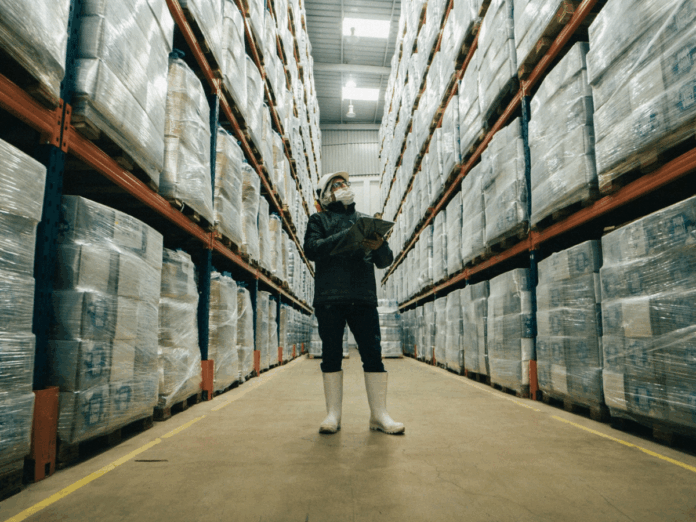
Walk into a spare-parts warehouse in the Gulf built five years ago and you would see rows of racking stretching into the distance, forklifts weaving between aisles, and a picker walking the length of the building to find one part. Walk into one built this year and increasingly you will not see any of that. You will see a wall of enclosed machines, each one delivering trays of stock straight to a picker who never has to move.
That machine is a vertical lift module, or VLM, and it is becoming one of the quiet workhorses of Gulf logistics. A VLM stores goods on trays stacked vertically inside an enclosed unit, some as tall as 30 metres, and uses an automated extractor to bring the right tray down to an operator on command rather than sending a person to search for it. The pitch is straightforward, according to SSI Schaefer, one of the larger suppliers in this space, a single unit can cut the physical footprint needed for small parts storage by as much as 90% compared with conventional shelving.
The market numbers back up what is happening on the ground. The GCC vertical lift module market was valued at $94.7 billion in 2025 and is forecast to reach $196.7 billion by 2036, a compound annual growth rate of 7.6%. Saudi Arabia already accounts for the largest slice of that market, holding 42.3% of GCC share in 2025, driven by its Vision 2030 industrial buildout.