spot_img

Zamboye mine disaster: When...

Zamboye mine disaster: When a closed mine keeps operating, who is responsible?

Weba Chute System’s grounded...

Across the global mining sector, Discrete Element Method (DEM) simulation has become a standard feature...

Kal Tire expands mining...

Kal Tire’s Mining Tire Group has signed an agreement with Transcale Pty Ltd.,...

One system, one supplier:...

ACTOM, South Africa’s largest manufacturer, repairer, and distributor of electromechanical equipment, has reaffirmed...
Home Blog Page 22

Chutes are key links in plant operations

0

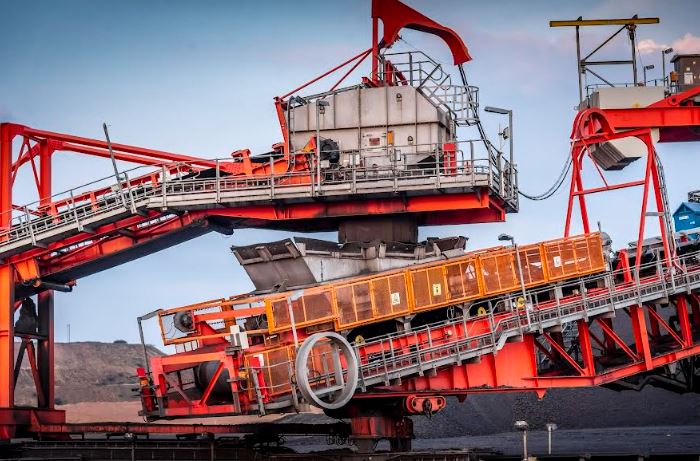
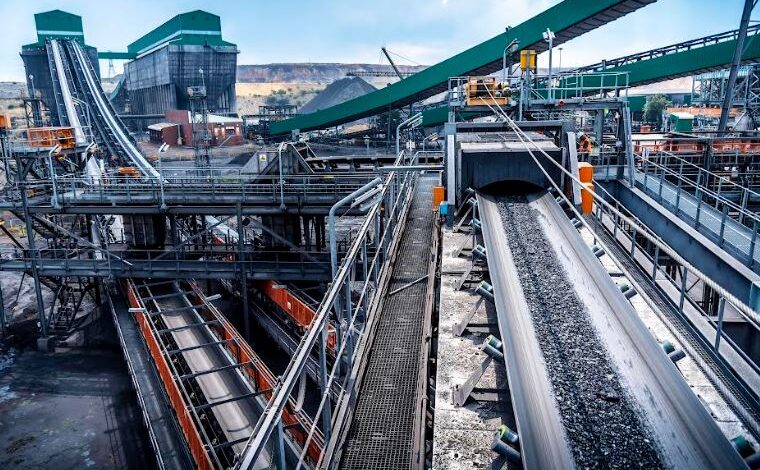
hen a new plant is being planned, considerable care needs to be taken in the design and placement of the transfer chutes, argues Mark Baller, managing director of Weba Chute Systems.

“In our experience, there has been considerable disruption caused to plant operations by transfer chutes which are not optimally designed or properly located in the flowsheet,” says Baller. “This is a concern, as this disruption can cause financial loss that is not commensurate with the value of the equipment.”

He says the relatively low cost of a chute compared to the high value items like crushers and screens may be one reason why they are not taken as seriously as they should be. For example, the chute supplier is often engaged quite late in the plant design process.

“The plant layout has then already been decided, and the chutes are just expected to be slotted in as and where the space is available. We request our clients to talk to us earlier, so that we can give the necessary valuable input on where chutes would be best placed. It is costly and time consuming to try and adjust plant designs further down the line,” he says.

WEG’s withdrawal boards boost uptime at Ghana gold plant

A process plant at a gold mine in Ghana has become the first in Africa to install WEG’s fully withdrawable WEG CCM06 boards, which safely improve the plant’s flexibility when isolating selected circuits for maintenance and repair.

“The customer’s existing motor control centre (MCC) regulated many operations, which all had to be shut down when attending to a single item of equipment,” says Foster Yeboah, regional sales manager for West Africa based at Zest WEG’s Ghana branch. “This led to significant downtime, which the customer wanted to avoid.”

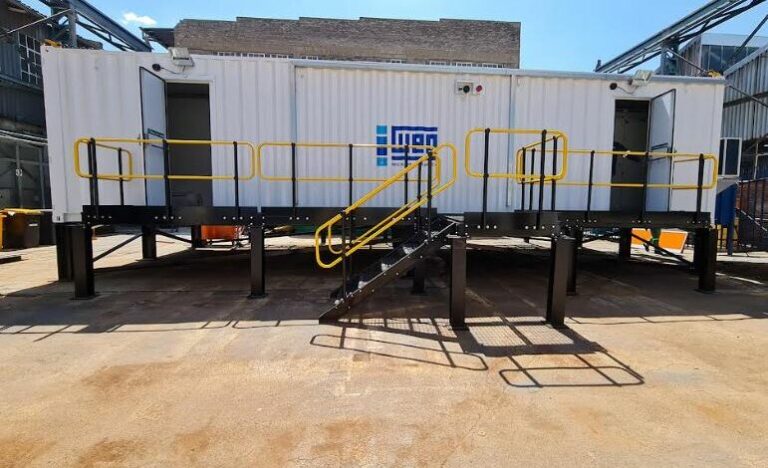
The mine required a solution which would allow the plant to isolate the electrical feed to specific equipment, allowing targeted maintenance to be conducted on those items without necessitating a complete plant shutdown, says Yeboah. The answer came in the form of a double containerized electrical house or E-house with a key element of this solution being the fully withdrawable boards.

Plant’s efficiency

“The WEG CCM06 boards are compartmentalized functional units which can be turned off and pulled out, without affecting the power to the other units,” he explains. “This is a valuable feature when considering that important equipment such as mills and discharge pumps must ideally operate continuously to keep the plant efficient.”

Steinmüller Africa expands its plant and equipment hire services

Already a force to be reckoned with in the African power generation sector, Steinmüller Africa has taken its service delivery offering to the next level with its plant and equipment hire services.

Through its Middelburg Depot, the company has expanded its plant and equipment hire services, now offering a pool of over 24 000 items for clients in the power generation, petrochemical, chemical, mining, renewable energy, pulp and paper and general Industrial sectors. To date the Middelburg Depot has handled plant projects in Sasolburg, Rustenburg, Newcastle, Richards Bay and Eskom power stations in Mpumalanga.

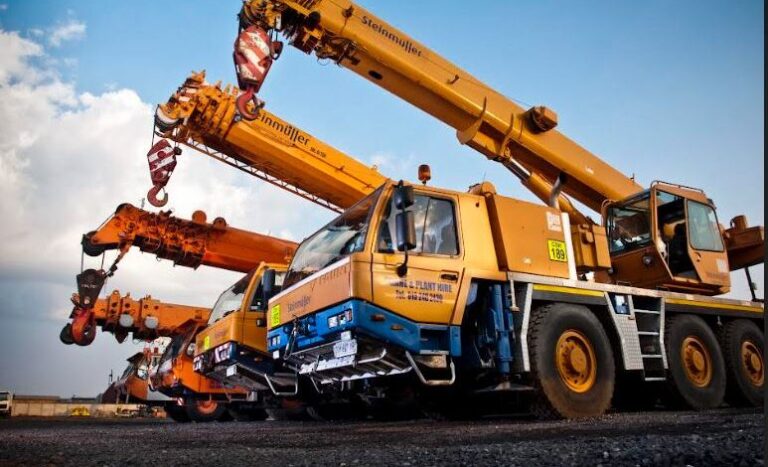
The plant hire division boasts a comprehensive range of equipment consisting of cranes, trailers, tractors, welding machines, generators, rigging, grinding and drilling equipment. “Through this depot, we are showing our commitment to supply our clients the best equipment for their project requirements, With this hire solution, they can get their projects up and running quicker while mitigating equipment ownership costs,” said Mpho

Muvhango, Corporate Communications Specialist at Steinmüller Africa. Muvhango added that the company also offers expert advice to their clients on equipment selection: “We are committed to giving our clients the best quality customer service and ensuring that our high standards are upheld in all that we offer. Our team assesses our clients’ projects and their intended outcomes to provide them with a comprehensive solution,” she said.

Tackling sticky situations: Designing transfer points minerals processing plants

Handling sticky material in mining and minerals processing plants can be a complex challenge. These materials can cause blockages, equipment wear and increased maintenance requirements, leading to reduced efficiency and increased operational costs.

This is according to Alwin Nienaber, Technical Director at Weba Chute Systems, who says that designing transfer points to effectively handle sticky materials is crucial for optimising material flow and minimizing downtime. “There are a number of key design considerations for transfer points and it is for this reason that EPCM contractors and end-users should work closely with specialist companies such as ourselves who have the requisite expertise and legacy knowledge to deal with complicated materials transfer.”

An important consideration is material flow control, which Nienaber explains is crucial to avoid blockages and build-up of sticky materials within chute systems. “This is where chute geometry plays a significant role in handling sticky materials, with experience informing the design of a chute to minimise impact forces and reduce material degradation. Minimising is also important, and this can be achieved through the use of wear-resistant materials such as ceramic tiles or rubber linings, and further extend the service life of transfer points while reducing maintenance requirements,” he says.

Tackling sticky situations

Nienaber says it is also important to control moisture levels when handling sticky materials. Excessive moisture can exacerbate the stickiness of materials, leading to increased build-up and blockages. Implementing moisture control strategies, such as proper drainage systems, dust suppression or material conditioning systems, can help maintain optimal moisture levels and improve material flow.

WEC Projects supplies new sewage treatment plants for Ghana developments

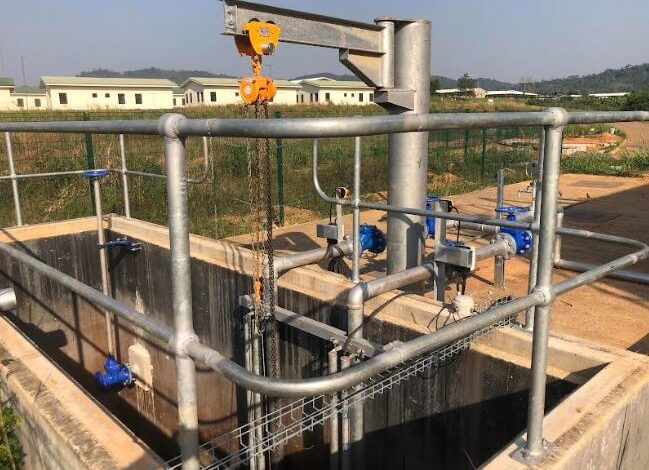
WEC Projects, a local EPC contractor working in the water and wastewater treatment sector, has completed the design, engineering and supply of new sewage treatment plants for three different developments in Ghana – two hospitals and an apartment complex. All three projects integrate biological trickle filtration systems.

The treatment plants will be installed at the Kumawu District Hospital, a new medical facility being built in the Sekyere Kumawu District, and the Fomena District Hospital, also a new facility located in the Adansi North District.

WEC Projects is supplying the Model E trickle filter plant for both hospitals, designed to treat an average of 90m 3 per day. Raw sewage is fed into the plant’s screenings box before arriving at the three-chamber below ground septic tank where anaerobic pre-treatment takes place. The wastewater then flows into a recycle sump equipped with vortex pumps with a transfer rate of 25m 3 per hour across the trickle filter.

Process

The trickle filter itself is housed in two above-ground double stacked 12m containers. The wastewater flows down through trickling filter media on the surface of which propagates the biofilm used to breakdown COD and nitrify the wastewater. The wastewater is collected in a basin at the bottom of the packing media and transferred to the clarifier. A splitter box returns some of the wastewater to the trickle filter to ensure a continuous flow through the bioreactor. Phosphorous is removed from the wastewater by introducing ferric chloride to the clarifier. The water then undergoes disinfection using chlorine to meet the required effluent standards before being discharged into the environment.

All process control instrumentation and electrics are housed in a six-metre shipping container and the self-contained plants are fully fabricated in South Africa. The apartment complex, located in the coastal city of Sekondi-Takoradi, is a smaller system with a current flow rate of 16m 3 per day of effluent which will increase once it reaches its peak flow rate. It features a trickle filter system similar to those of the two hospitals, although on a smaller scale, in a standalone tower. The plant will treat domestic wastewater and has been designed to blend into the aesthetics and colour of the apartment complex design as well as to reduce its overall footprint and to avoid contact with nearby overhead power lines.

Says Ashly Forster, Project Manager at WEC Projects, “As these are new plants, the initial flow rate of untreated sewage will be low due to the low occupancy. This will build up over a short time, allowing the plants to operate more effectively as the biofilm begins to propagate.”

“A five-person team from WEC Projects oversaw the installation of the plants and provided training to operators during the commissioning stage. Trickle tower technology was chosen for these projects due to its scalability, low maintenance, operating requirements and simple design. A single operator can oversee and control the plant which is extremely reliable with a long operating lifespan. Ensuring that these plants remain operating efficiently is particularly important in order to ensure that no untreated wastewater enters the environment.” Adds Forster, “Our WEC Assist division will offer to provide operations and maintenance where necessary as well as chemicals, consumables and spares when required.”

TOMRA Mining technology to be installed in the world’s largest Lithium sorting plant at Pilbara Minerals

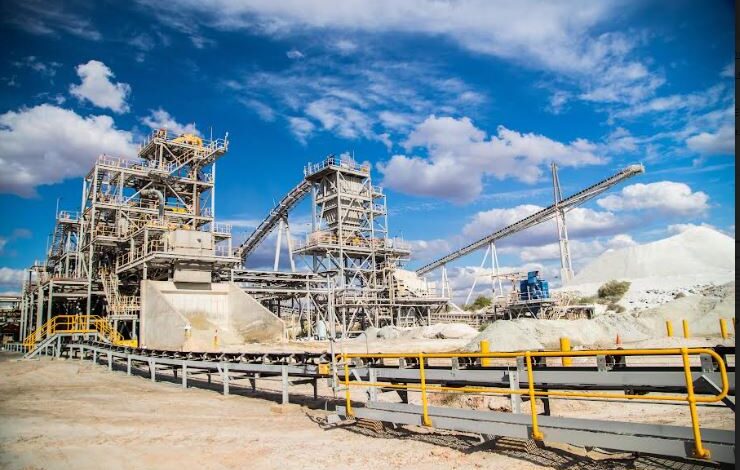
TOMRA Mining’s unique experience in the design and installation of large-scale ore sorting plants and its collaborative approach was the key to the successful design of the world’s largest lithium sorting plant. The installation has already started and is expected to reach completion in late 2023.

Pilbara Minerals owns the world’s largest, independent hard-rock lithium mine. It is located in Western Australia and produces a spodumene and tantalite concentrate. By pursuing a growth strategy to become a sustainable, low-cost lithium producer, the company has become a major player in the rapidly growing lithium supply chain. This investment will ensure the expansion of its large-scale operation in order to meet the increasing demand for lithium driven by sustainable energy technologies such as electric vehicles and energy storage.

“This new facility to be constructed at our Pilgangoora Project will be the world’s largest lithium mineral ore sorting plant. TOMRA’s experience in large global sorting installations, innovative technology, and ability to provide local support were significant factors in our decision to work with them. From the start, the TOMRA team has been working side by side with us and our engineering partner DRA Global to deliver this important project” Dale Henderson, Managing Director and CEO, Pilbara Minerals

Processing contaminated ore: a key challenge for the lithium industry

As part of this expansion project, Pilbara Minerals turned to TOMRA Mining for assistance to address the key industry challenge in the processing of spodumene feed ore contaminated with barren host rock. TOMRA has 50 years’ experience in sensor-based sorting technologies and has designed and built 90% of the world’s large-scale mining sorting plants with a capacity above 300t/h. These include plants such as the Ma’aden Umm Wu’al project, which is operating at 1850t/h, or the Lucara diamond operation which runs 15 sorters. Specifically for the Pilbara Minerals project, TOMRA Mining offers effective ore sorting solutions with high sensor resolution and ejection accuracy that ensure high lithium recovery and waste removal with a stable and consistent performance at high capacity.

Epiroc completes acquisition of AARD Mining Equipment

Stockholm, Sweden: Epiroc, a leading productivity and sustainability partner for the mining and infrastructure industries, has completed the acquisition of AARD Mining Equipment, a South African mining equipment manufacturer.

AARD, based near Johannesburg, South Africa, designs, manufactures, services and supports a wide range of mining equipment, specializing in low-profile underground machines for mines with low mining heights.

Products

The high-quality products include drill rigs, bolters, loaders, scalers, and more. The company’s customers are mainly in the Southern Africa region. AARD has approximately 200 employees and had revenues in the fiscal year ending June 30, 2022, of about MSEK 650. Epiroc announced on August 25, 2022, that it had agreed to acquire AARD. The transaction is not subject to a disclosure obligation pursuant to the EU Market Abuse Regulation.

Epiroc is a global productivity partner for mining and infrastructure customers, and accelerates the transformation toward a sustainable society. With ground-breaking technology, Epiroc develops and provides innovative and safe equipment, such as drill rigs, rock excavation and construction equipment and tools for surface and underground applications. The company also offers world-class service and other aftermarket support as well as solutions for automation, digitalization and electrification. Epiroc is based in Stockholm, Sweden, had revenues of SEK 50 billion in 2022, and has around 17 000 passionate employees supporting and collaborating with customers in around 150 countries.

Lubricate equipment with SKF’s biodegradable bearing grease and keep it green!


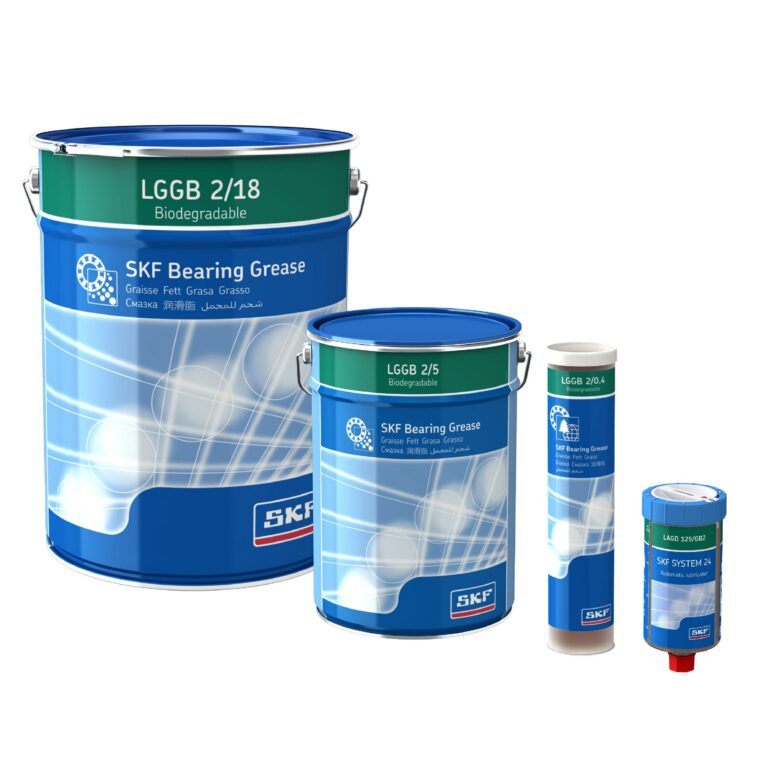
SKF LGGB 2 is a biodegradable, low toxicity, synthetic ester, oil-based grease that has been specially formulated to suit any application where there is the potential of environmental contamination.


During the equipment lubrication process, it is not always possible to prevent some grease from leaking. “In applications like agriculture and water treatment for instance, there is always the risk of the grease spillage into the soil or on to crops and even entering water systems,” notes Eddie Martens, SKF Product Manager, MaPro.


“However, detrimental environmental impacts can be significantly reduced or even prevented with the application of SKF’s biodegradable LGGB 2 grease. This product is subsequently ideal for lubricating agricultural, forestry, construction, earthmoving, mining and conveying equipment, helping to green the footprints of these industries.”


SKF LGGB 2 is suitable for medium to high loads and delivers good low temperature start-up performance. Incorporating a lithium-calcium thickener formulation, the grease features good corrosion inhibiting properties and performs especially well in applications with steel-on-steel spherical plain bearings, ball bearings and roller bearings.


Martens points out that over-lubrication increases the potential of harmful environmental contamination coupled with costly product wastage and can also lead to premature equipment failure. “We therefore recommend to our customers to combine LGGB 2 with a SKF battery-driven grease gun; this will deliver the most optimum environmental and cost-saving integrated solution. Customers can choose from our TLGB 20 with a built-in grease meter as well as the TLGB 1262-E and TLGB 1886-E units without a grease meter.”


For further information please contact:

Samantha Joubert, Marketing Manager

Tel: +27 (0) 821 3602 / Fax: +27 (0) 86 681 4342

samantha.joubert@skf.com


COSCO SHIPPING Brings Construction Vehicle Carrier Service To Southeast Africa

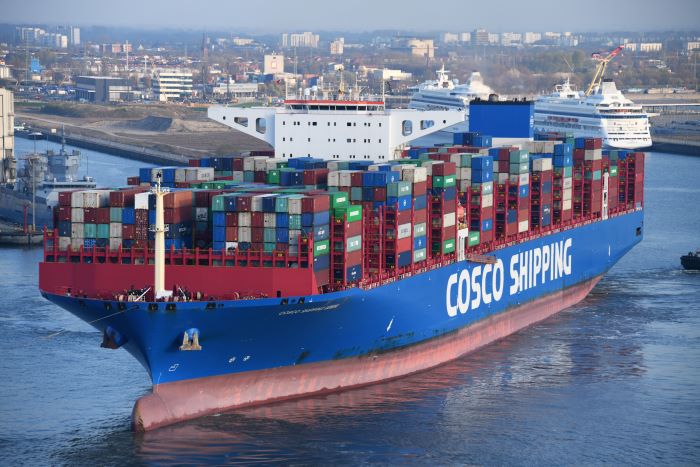
M.V. FENG HUANG SONG, a carrier operated by COSCO SHIPPING Specialized Carriers, arrived in Africa after departing from the Port of Qingdao in Shangdon Province. It was loaded with 467 tractors, tankers and mining trucks and is the first dedicated service customised and launched by the company for FAW to deliver its construction vehicles to the continent.

Based on a full analysis of the customer needs, the project team decided to use a multi-purpose carrier with three decks and designed the service specifically for the customer considering its needs.

In recent years, as many Chinese enterprises have implemented infrastructure projects and built factories in Africa, the local demand for construction vehicles is growing. Meanwhile, export difficulties encountered by Chinese construction vehicle manufacturers have also become more prominent due to the constraints of ro-ro ship transport capacity and the impact of the Covid-19 pandemic.

Since late 2021, COSCO SHIPPING Specialized Carriers has launched an innovative special express service for direct customers, providing customised logistics service solutions for customers, including the best loading ports, the most suitable type of ships, the fastest shipping route, the highest frequency of shipment to meet the customer needs and the quality assurance of professional service. It has laid a solid foundation to build an unimpeded international logistics supply chain for Chinese construction vehicle manufacturers.

Transportation is critical in bringing the best out of Africa’s mines and, without reliable and efficient conveyance to and from site for people and resources, there is little hope of them functioning effectively

Bolloré Logistics taking part in a mining project in Côte d’Ivoire which involved handled the transportation of mills divided in four main parts, totalling 177 tonnes of equipment. (Image source: Bolloré Logistics)

This lesson has been most readily demonstrated in recent months by the strike action affecting Transnet’s rail and port network in South Africa. The Minerals Council South Africa estimated that bulk mineral exporters lost around R815mn (approx. US$45mn) worth of exports per day during the walkouts because they were unable to rail and load around 357,000 tonnes of iron ore, coal, chrome, ferrochrome and manganese onto ships daily.

“Around R151bn (approx. US$8.3bn) could be gained [on an annual basis] in additional exports, with the concomitant benefits of employment in mining increasing by 40,000 jobs to 500,000, the fiscus benefiting from improved tax revenue and higher revenues for Transnet if all rail and ports systems were optimally and efficiently run at design capacity,” the Minerals Council statement noted.

Such a challenge to one of the most important industries in one of Africa’s strongest economies is a stark reminder of the central role logistics plays within the mining sector.

Fortunately, there are a plethora of companies lining up to offer their services across the continent and ensure Africa’s mines can reach their full potential.

Mines in Africa are usually located in remote areas where access can be difficult for many reasons, such as lack of proper infrastructure (in some cases roads need to be built up to get access to the site); a need to deploy specialised equipment to handle out-of-gauge cargo; security issues in some areas, with necessity to escort convoys; and political sanctions (lately with border closure sanctions imposed on Mali, for example).

Some of the transportation solutions best suited to serving African mines

The choice of transport means depends on the location of the mine. Different means of transportation can be combined onshore from arrival at port; rail, road, river transportation (barge), and air, for example. Cargo safety also plays an important role when looking for the right transport solution. We have an extensive experience in the management of major industrial projects in the mining sector, from early works up to project execution. Our dedicated teams conduct feasibility studies in order to offer the best logistics solutions to our clients.

Some of the trends affecting services most on the continent

We have noticed growing concerns from our mining customers in regards to CSR. This includes, among others, a strict compliance with the regulations of the countries in which they operate. Mining companies are also much more aware of climate change concerns and promote sustainable projects. More and more solar plant constructions are being developed at mine sites. At the same time, sustainable fuels are used in the transport industry to reduce the carbon footprint for all means of transport.