spot_img

Novo Cruzeiro boosting clean...

Atlantico Energy Metals is highlighting documented field observations from its Novo Cruzeiro lithium...

#TheWeekThatWas: Innovation, optimisation &...

This week, the mining sector showcased how innovation, energy security and critical minerals...

ERG develops digital twin...

Eurasian Resources Group (ERG), a leading metals and mining company, is developing a digital...

Harmony extends gold production...

Harmony Gold is expected to meet its annual production guidance for the 11th consecutive...
Home Blog Page 2

A Critical Examination of the Legal Framework Regulating Transport and Logistics in the SADC Region: Strengthening Regional Integration and Trade Efficiency

PART I: Transport and Logistics Perspective

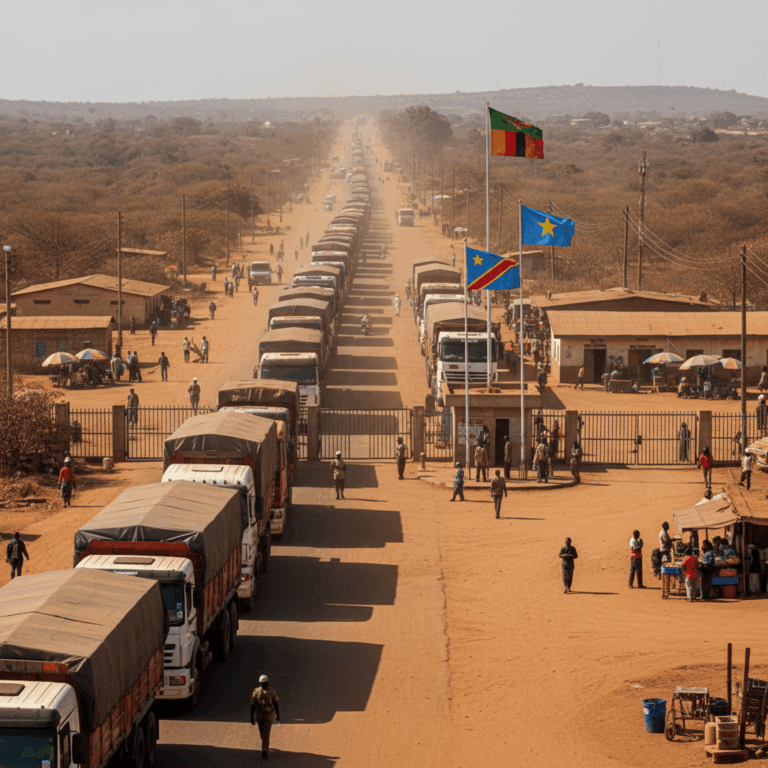
The SADC region is particularly vulnerable to these dynamics as transport and logistics are
also at the center of regional trade and economic integration. Across the Southern African
Development Community (SADC), this system is expected to underpin industrialisation,
value chain development under both provisions of the SADC Trade Protocol and the African
Continental Free Trade Area (AfCFTA). However, long-term regional cooperation and
infrastructure planning have not improved the fact that moving goods across SADC from one
end of the region to another is slow, costly and fragmented. It is increasingly hard to overlook
this contradiction.

SADC is well located with major ports Walvis Bay, Durban and Beira and extensive road and
rail networks, as well as recognised corridors such as the North–South Corridor and Walvis
Bay Corridor Group. But not all these advantages have made regional connectivity seamless.
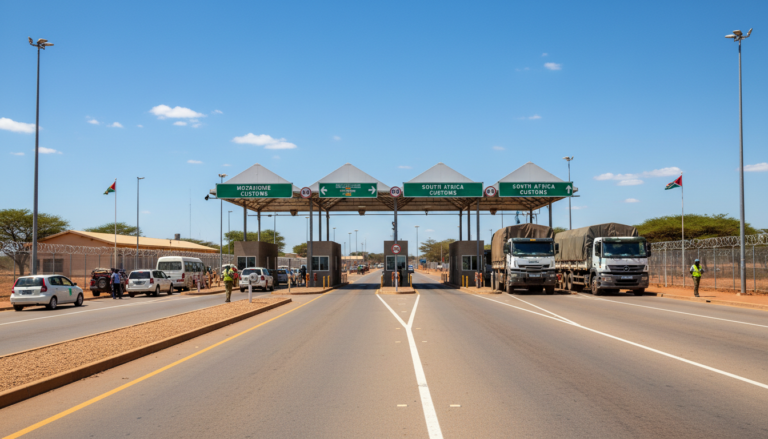
Furthermore, higher transport costs, extended border delays, insufficient intermodal
integration, and unmet regulatory requirements prevent regional trade efficiencies among
these operators (SADC, 2012; World Bank, 2020). Although gaps in infrastructure are often
identified as the central constraint, the deeper reason is the fact that transport and logistics
systems operate from a fragmented institutional and regulatory context. This reality is
acknowledged in regional master plans, although implementation is patchy.

Southern Africa’s problem, as presented in my article posted in 2023, of the untapped
logistics value from the Zambezi Region, is not a loss of opportunity, but a lack of
transformation of geographic advantage into aligned logistics systems for trade and
development (Liswani, 2023). The majority of freight movement in SADC is by road transport,
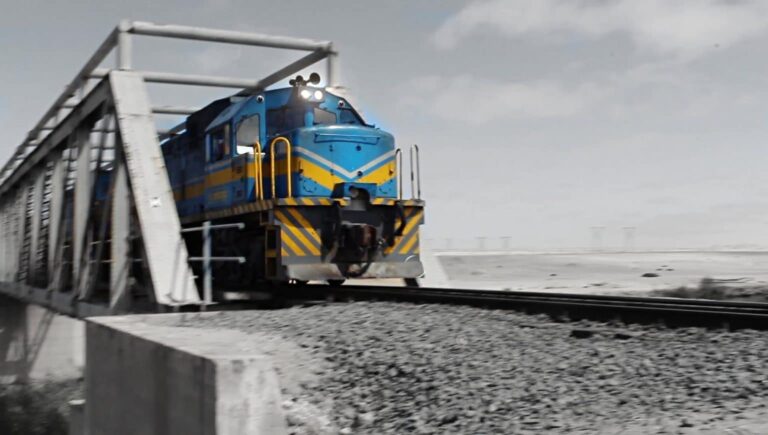
which makes up over 70% of regional cargo. Rail, as an inexpensive and environmentally
friendly alternative that is still not fully utilised, faces both long existing infrastructure
problems and competing transport requirements as well as a lack of rolling stock and poor
cross-border collaboration. Despite the evident acknowledgement established within
regional logistics master plans with respect to modal balance and asset management,
implementation remains structurally stalled.

Zambia advances Mpulungu Port upgrade

0

Zambia is moving ahead with plans to upgrade Mpulungu Port on Lake Tanganyika and develop a railway connection to the Tanzania-Zambia Railway Authority (TAZARA) network to improve freight access to Central and East African markets, the Ministry of Transport and Logistics has announced.

The project includes upgrading the port and developing a rail link from Nseluka to Mpulungu, creating a connection between Zambia’s rail network and shipping services on Lake Tanganyika.

The rail connection would improve freight movement between the two transport modes. The planned upgrade is expected to increase the port’s annual cargo handling capacity from 200 000 tonnes to approximately 800 000 tonnes, while also expanding passenger handling capacity, the ministry said.

Mpulungu is Zambia’s only international port and provides access to Burundi, the eastern Democratic Republic of the Congo and Tanzania via Lake Tanganyika, serving as an important trade gateway for cargo moving between Zambia and the Great Lakes region.

The project forms part of broader efforts to modernise Zambia’s transport infrastructure and strengthen regional trade and economic integration.

Automation and AI Transform Operations at the Port of Cape Town

To speed up operations and improve the movement of cargo, and to minimise congestion, Transnet is implementing digital transformation at the Port of Cape Town through the introduction of automated gates and the extension of the digital booking system. The projects are part of a comprehensive program to upgrade South Africa’s port facilities and boost the competitiveness of the nation’s maritime industry. At the recent Oceans Economy Conference held in Cape Town, acting port manager Ophelia Shabane spoke about the need to use technology to enhance service delivery and streamline port processes.

An important part of this will be the ongoing deployment of the Integrated Port Management System (IPMS), which will allow customers to book and access maritime services online. In the past, numerous requests related to the ports were handled on a manual basis, which could lead to delays and inefficiencies. The digital platform enables clients to book services remotely via the internet and also to call services in a more convenient way. The system can handle a variety of services such as booking on ships, scheduling trucks, reservations at ship repair facilities, etc. The digital solution should enhance the customer experience and streamline administrative processes.

The Cape Town Container Terminal is one of the biggest initiatives in the digitalisation programme, which involves automated gates. Congestion at the port has been an issue for a long time, especially at the A-check access point where trucks wait to get into the terminal. The automated gate system will facilitate the process of getting trucks in and out of the building, eliminating delays and allowing for quicker loading and unloading of goods, Shabane said. This will optimize traffic throughput and minimize delays, thereby boosting productivity across the supply chain and streamlining port operations.

Cargo-handling equipment is also getting digital. The Cape Town Container Terminal recently got rubber-tyred gantry cranes (RTGs) with a remote operation system, which can be controlled remotely in case of necessity. This innovation offers better flexibility of terminal operations and safer working conditions. Under adverse weather conditions like strong winds, the crane operators can still be productive while working from secure work areas without reduced productivity. The technology shows the capabilities of how automation can enhance operational resilience without compromising safety.

Shabane highlighted that digitalisation and artificial intelligence should be seen as instruments to boost productivity and not as a job killer. Technological advances in equipment may lead to better technology, but skilled operators will remain an important part of port operations. For every RTG, for instance, there must be somebody, either manual, or remote, to operate it, either manually or remotely. Digital systems adoption is thus aimed at assisting workers to become more efficient, safe and productive, not at replacing them.

Transnet is also gleaning from best practices in international ports in its efforts to modernise. The organisation is also developing partnerships with foreign port authorities, such as the Port of Antwerp, to learn from the best practices and expertise that exist overseas. The partnerships are expected to contribute to operational performance improvement, deepening digitalisation and service delivery at South Africa’s ports.

The investment in digital infrastructure is an important move towards making the Port of Cape Town a smarter, more competitive and future-proof logistical hub as global trade increasingly relies on the efficiency and technology-empowered logistics networks. The measures aim to provide lasting value to shipping companies, cargo owners, transport service providers and the economy as a whole in South Africa.

Mercedes-Benz Trucks unveils the latest innovations with the launch of its new Actros models

Mercedes-Benz Trucks has launched its new Base and Line Haul models to expand its product range and better meet transport needs across Southern Africa.

Olaf Petersen, Vice President of Sales and Marketing at Daimler Truck Southern Africa, stated, “Based on over 130 years of trucking experience, our new models make Mercedes-Benz Trucks more accessible to our customers. We have improved our established platforms to address the changing needs of the Southern African market, ensuring reliability, durability, and efficiency with a strong focus on value.”

Olaf Petersen, the Vice President of Sales and Marketing at Daimler Truck Southern Africa

Designed for current transport needs, these new models blend proven engineering with practical configurations. This helps customers find solutions that fit their specific business needs. Each model targets different operations, so customers can confidently choose the right vehicle for them.

A classic truck restoration: Isuzu celebrates its longevity legends

0

There is something deeply evocative about an old truck that is still earning its keep. Long after the shine has faded and the odometer has rolled over countless times, these machines stand as reminders that the most meaningful journeys are rarely the quickest. In many ways, vintage trucks mirror life itself – carrying the marks of hard work, perseverance and experience while reminding us of the value of our roots. It is in this spirit that Isuzu Motors South Africa has launched ‘Legends of the Long Run’, as a tribute to loyal customers and the trucks that continue to deliver value long after most vehicles would have retired.

The campaign will see one deserving truck owner receive a complete vehicle restoration by the OEM, with the entire refurbishment process documented from the first bolt removed to the final engine start.

Isuzu trucks have long been synonymous with longevity, durability and reliability. For decades, the brand has celebrated the engineering excellence behind its vehicles – machines that have become trusted business partners to customers across South Africa.

Now, the company is turning the spotlight onto the people behind the badge. These are the customers who placed their trust in Isuzu and helped make it South Africa’s number one commercial vehicle brand for 13 consecutive years. The campaign celebrates not only enduring engineering but also the people whose livelihoods have been built alongside these dependable workhorses.

Reliability is the bedrock
In industries such as transport, logistics and construction, downtime is costly. Every missed delivery and every hour spent off the road directly impacts profitability. Successful operators therefore do not simply purchase trucks – they invest in assets capable of delivering dependable returns year after year. Reliability, in this environment, is not a luxury. It is a business necessity.

This is the foundation upon which Isuzu has built its reputation. Rather than relying on marketing promises, the company points to the kilometres travelled, uptime achieved and businesses sustained by its vehicles.

“Our success as a brand is built not only on the strength of our engineering, but on the trust our customers place in us every day,” says Mpho Nkhumeleni, Department Executive for CV Sales at Isuzu Motors South Africa.

The vehicles eligible for the competition are working trucks that have accumulated hundreds of thousands of kilometres, with many having surpassed the one-million-kilometre milestone while remaining active and productive assets for their owners.

According to Isuzu, this longevity is no accident. It reflects more than a century of global engineering expertise combined with over six decades of experience in the South African market.

Tell your Isuzu story
As part of the campaign, Isuzu Motors South Africa is inviting truck owners to share their personal journeys and experiences with their Isuzu vehicles. One standout entry will be selected to receive a full restoration by the OEM. Who better to restore a truck than the engineering team who built it?

Owners who believe their truck deserves legendary status are encouraged to submit their stories through the campaign website (http://www.isuzu.co.za/legends). One truck will be given a new lease on life, while its journey is shared with trucking enthusiasts and operators across the country.

“Legends of the Long Run is a celebration of those customers and the incredible journeys they have taken with their trucks that continue to deliver value well beyond expectations,” Nkhumeleni concludes.

Editor’s Comment: Few sights are more inspiring in our industry than a truck that has travelled a million kilometres and still reports for duty every morning. Such vehicles represent more than engineering achievement – they embody resilience, loyalty and the enduring partnerships between manufacturers and operators. In celebrating these high-mileage workhorses, Isuzu is also celebrating the values that have long defined truck transport: perseverance, reliability and an appreciation for the journeys that shape both businesses and lives.

Tata pushes electric trucks into the African mainstream

0

With global energy markets under strain amid instability in the Persian Gulf region, the timing of new electric commercial vehicle launches is becoming increasingly significant. Rising fuel volatility and supply uncertainty are sharpening the focus on operational resilience and manufacturers are accelerating the shift toward electrified transport as fleets search for insulation from diesel price shocks.

India’s commercial vehicle giant Tata Motors used a Cape Town showcase on May 22 to underline how far its electric truck strategy has progressed – and how deliberately it is being positioned for emerging-market realities, including our continent’s cost-sensitive logistics sector.

At the event, Tata Motors unveiled an 11-vehicle line-up spanning electric trucks, buses, pickups and heavy-duty vocational platforms. Battery-electric commercial vehicles took center stage, signaling that electrification is no longer being framed as a future concept, but as a near-term working solution across multiple duty cycles – from last-mile delivery to mining and construction support.

The showcase highlighted not only the breadth of Tata Motors’ commercial vehicle portfolio but also the company’s growing emphasis on electrification, productivity and lower total cost of ownership across a wide range of transport applications. From last-mile logistics to heavy vocational work, the underlying message was clear – energy risk is now a core transport planning variable, not a peripheral concern.

Electric trucks lead the charge
Among the most significant reveals was the battery-electric commercial vehicle range, covering applications from compact urban delivery to heavy-duty industrial operations.

The Tata Ace Pro EV was positioned as a zero-emissions mini truck for last-mile delivery, where compact size, maneuverability and low running costs are key operational drivers. Tata describes it as a practical urban logistics tool designed to reduce dependency on volatile fuel pricing.

Alongside it, the Tata Intra EV targets higher-payload urban cargo operations, offering extended range capability and improved earning potential through lower cost of operation.

Tata also showcased the Ultra E.9 electric truck for intra-city logistics, while the Prima E28.K electric tipper extended the electrification foray into mining and construction. The latter signals a growing confidence that heavy-duty electrification is moving beyond pilot programmes into commercially relevant applications.

Speaking at the event, Asif Shamim, Head, International Business at Tata Motors, said the portfolio reflects a deliberate, application-led engineering approach.

“This showcase reflects our continued focus on developing relevant, application-led mobility solutions for our international markets,” said Shamim. “The portfolio presented here demonstrates the range of platforms and technologies we are building across segments, including electric vehicles, tailored to different use cases and operating conditions.”

Expanding the conventional range
While electrification took centre stage, Tata also reinforced the depth of its diesel and hybrid-ready platforms.

The Ultra Prime RE rear-engine intra-city bus is aimed at urban passenger transport, powered by a 6.7-litre diesel engine and designed for high-frequency duty cycles.

The Azura 1918 intermediate-duty truck continues Tata’s focus on regional and urban haulage, with an emphasis on uptime and lifecycle efficiency.

In pickups, the Intra V30 and V70 models were highlighted for their crash-tested walkthrough cabins and payload capacity ranging from 1 300kg to 1 950kg – reinforcing their role as high-utilisation commercial tools.

The passenger portfolio also included the LPO 1618 Magna, LP 909 and LPO 1623 Nova buses, covering staff, school and inter-city transport segments.

Africa remains central to Tata’s strategy
The Cape Town showcase also reinforced the scale of Tata Motors’ established footprint across Sub-Saharan Africa. The company operates in 29 countries through partners including Tata International, Panafrique Motors, KOMCO Motors and Allied Motors.

More than 340 000 commercial vehicles have been sold across the region, supported by over 320 service centres and assembly operations in South Africa, Kenya, Nigeria, Senegal, Egypt, Morocco and Tunisia.

Tata also highlighted warranty extensions and annual maintenance contracts as part of its effort to stabilise lifecycle costs in volatile operating environments.

Shamim concluded by stating that Tata’s new commercial vehicle portfolio “reflects the strength of the engineering and development capabilities behind these products, enabling us to deliver solutions that are practical, reliable and built to support customer productivity. We have always focused on supporting growing businesses and communities – building lasting relationships through dependable, efficient and durable products.”

Editor’s Comment: The coincidence of accelerated electric truck rollouts with renewed energy instability in the Gulf is not incidental – it is increasingly structural. As geopolitical risk feeds directly into fuel price volatility, the economics of diesel dependence are becoming harder to defend, particularly in emerging markets where transport costs ripple quickly through food, retail and industrial supply chains. Tata Motors’ Cape Town showcase sits squarely in this transition point, where electrification is no longer just about emissions targets but about energy security and cost predictability.

For African operators, the calculus is becoming more pragmatic than ideological. Electric trucks are being evaluated not as climate statements but as hedges against fuel shocks and margin compression. Tata’s strategy reflects this shift clearly – pairing electric platforms with established diesel products and an extensive support footprint, effectively offering fleets a staged transition rather than a disruptive leap.

The Power of One – job

0

With South Africa’s unemployment rate climbing to 32.7% in the first quarter of 2026 – leaving 8.1 million people without work – the pressure on South Africa to move beyond statements and deliver real economic participation has never been greater.

The dire situation of jobless youngsters was spotlighted in many quarters during June’s Youth Month and in all honesty, the situation seems daunting. However, to throw some light onto the table, FleetWatch is carrying this story of a young lady who joined Hyundai Automotive South Africa’s Commercial Assembly Plant in 2024 through the Youth Employment Service (YES) programme and has risen to great heights in the company. It’s all about the Power of One.

Behind every Hyundai H100 and EX8 truck that rolls out of Hyundai Automotive South Africa’s Commercial Assembly Plant, is a team of skilled technicians dedicated to quality and precision. Among them is Kwanele Sibisi, one of the facility’s top-performing assembly technicians.

Since joining the plant in 2024, the Newcastle-born technician has helped assemble more than 2 000 vehicles while consistently achieving high-level performance ratings. It is an impressive achievement in a field where accuracy and attention to detail are critical to ensuring vehicles meet Hyundai’s quality standards before reaching customers.

Sibisi works on the assembly line where semi-knocked-down vehicle kits are transformed into fully assembled commercial vehicles destined for businesses across South Africa.  Her responsibilities include fitting, inspecting and verifying components throughout the assembly process.

For someone who has always been fascinated by engineering, working in vehicle manufacturing has proven to be rewarding. “I have always been fascinated by the engineering field and wanted to be involved in creating something people depend on every day,” said Sibisi.

“Nothing fulfils me more than seeing Hyundai commercial vehicles on the road and knowing they are helping businesses operate and supporting entrepreneurship. It gives me a real sense of pride because I understand the work, care and attention to detail that goes into assembling each vehicle.”

The Benoni-based Plant has assembled more than 22 000 vehicles since commencing operations in 2013. The facility currently produces key commercial models including the Hyundai H100 and EX8, with the Hyundai GT11 6-ton truck set to join the line-up later this year.

For Sibisi, quality remains one of the most important aspects of her role. “Quality control is not something I compromise on. Every vehicle that leaves the assembly line represents teamwork, pride and responsibility. I always strive to ensure that my work meets the highest standards possible,” she said.

According to Murge Mathapershad, General Manager of the Plant, Sibisi’s performance reflects the discipline required to maintain quality throughout the production process. “Quality is at the heart of everything we do and the standards required in vehicle assembly are extremely high.”

“Kwanele’s consistency, focus and attention to detail have made her one of our standout assembly technicians.  Her contribution highlights the importance of skilled people in delivering products that customers can depend on.”

One job given. One Super Star results. The Power of One.

Editor’s Comment: Statistics can either be encouraging or disheartening. When they are too high, one is left almost in despair thinking there’s nothing one can do about it. When they are low, one would perhaps think so what’s the problem. FleetWatch has always acted on the Power of One – one crash is one too many; one hijacking is one too many; one road death is one too many. One job, however, is not one too many. This story proves that to be true.

Konkola Copper Mines resumes operations at Chingola B shaft after 18 years

Konkola Copper Mines (KCM), Zambia’s largest copper producer, has taken a monumental step by resuming operations at its Chingola B shaft. The historic reopening, which occurred after an 18-year hiatus, was led by the group’s CEO, Deshnee Naidoo, and marks not just a significant operational revival but a hopeful trajectory for Zambia’s economy.

“This is more than a milestone; it symbolises the continued growth and transformation of KCM,” Naidoo said during the event.  Following the successful first blast from Chingola B, Naidoo revealed that the Nchanga operations would produce an impressive 200 tons of copper per month, a promising sign of sustained productivity.

Konkola Copper Mines workers at the reopening of the Chingola B shaft. Picture: Facebook.

The reopening of the Chingola B shaft is also set to have a positive impact on the local community. In a move aimed at bolstering employment opportunities, the company has already hired 80 individuals and plans to recruit an additional 100 workers in the coming months. This initiative not only enhances local job prospects but also aligns with KCM’s commitment to fostering socio-economic development in the region.

With the reopening of the Chingola B shaft, KCM is poised to play a pivotal role in reinforcing Zambia’s position in the copper market, contributing significantly to the nation’s economic recovery in the post-pandemic landscape.

Mine Security Conference aims at rebuilding trust amid growing security divisions

Recent arrests involving senior police officials and members of special investigation units have intensified concerns about divisions within South Africa’s security sector, particularly regarding the fight against organised crime and illegal mining activities.

As allegations emerge of internal factions building cases against one another, uncertainty continues to grow around accountability and trust within law enforcement structures.

Against this backdrop, the 5th annual Mine Security Conference will take place on July 1-2 at the Indaba Hotel in Johannesburg, bringing together mining companies, government enforcement agencies, academics, and private security firms to strengthen collaboration against shared threats.

The conference aims to improve coordination between stakeholders operating in increasingly complex and dangerous environments linked to illegal mining, organised crime, infrastructure sabotage, and mineral smuggling.

Bushtec unifies brand to deliver advanced lifecycle camps for the global mining sector

Bushtec, a pioneering force in tented camps and solutions, has announced a significant brand evolution, unifying its 55-year heritage as Canvas and Tent and a consortium of specialised brands under a singular Bushtec master brand. A proudly South African success story, the group has grown from its world-renowned Canvas and Tent manufacturing origins to include global design and delivery capabilities for its diverse clients across the mining, military, hospitality, adventure and disaster relief sectors.

For mine owners, project leaders, and EPCM partners, the unified Bushtec brand represents a single, trusted partner for rapidly redeployable, modular infrastructure. The offering supports every phase of the mining lifecycle, from exploration camps to semi-permanent hardwall camps and site establishment of non-process infrastructure. Solutions include full turnkey workforce accommodation, management lodgings, kitchens, medical clinics, offices, ablution, dining and maintenance facilities. This evolution enhances Bushtec‘s ability to deliver these essential assets with superior quality control, supply chain resilience, and unmatched deployment speed, enabling a faster path to operations.

“By unifying our extensive capabilities under the Bushtec master brand, we are reinforcing our promise to the mining sector: to be a single, reliable turnkey partner in creating safe, cost-effective infrastructure that supports productivity and enhances workforce wellbeing,” says Hans Hillebrand, Group CEO of Canvas and Tent. “Our brand promise is the value of experience, drawing on a legacy of successfully delivering over 1,000 camps across 83 countries. In the world’s toughest terrains, we show the value of experience. Our commitment is to deliver dependable, high-performance solutions that are engineered to last, providing tangible value from initial deployment through the entire project lifecycle.”

Bushtec’s refined focus is on delivering exceptional lifecycle value and a lower total cost of ownership, manufacturing from its over 500-strong base in Ladysmith that is ISO 14001 2015 and ISO 9001 2015 certified. ​ Every Bushtec structure is engineered for longevity and performance in the most remote and challenging environments. ​ Core engineering strengths include military-grade ripstop canvas, corrosion-resistant components for coastal sites, and advanced climate control systems. Structures are rot, mould and mildew proof, wind resistant, water resistant, UV stabilised and fire-retardant. Pre-engineered, modular kits are designed for rapid installation, minimising logistical complexity and maximising operational uptime.